
A countertop may look like one simple surface, but careful work goes into every cut and joint. Countertop fabrication Fargo projects require more than cutting stone to size. Fabricators plan seams, shape edges, and create sink openings with care. These details help the finished countertop fit the space, match the design, and work well every day.
How Does Countertop Fabrication Handle Seams?
Seams join two countertop pieces when one slab cannot cover the whole area. This often happens with long counters, large islands, or kitchens with several corners.
The key is where the seam goes.
A fabricator checks the cabinet layout, slab size, sink location, and stone pattern before making that choice. Veining matters, too. A strong vein that runs across a slab can make a poorly placed seam stand out.
A well-planned seam can make the joint less noticeable. The fabricator also makes sure both pieces meet cleanly before joining them with a suitable adhesive.
Edge Profiles Shape the Finished Countertop
The edge is one of the parts you see and touch every day. It can have a simple, clean shape or a more detailed profile, depending on the style of the room.
During fabrication, the edge gets cut and shaped to match the selected profile. A homeowner may choose a simple eased edge for a clean look or another profile that adds more detail.
The countertop material also matters. Granite, quartz, marble, and quartzite can have different needs during cutting and finishing. The edge style should work with both the stone and the overall design.
Why Do Sink Cutouts Need Precise Measurements?
Sink cutouts need careful measuring because the opening must match the sink and sit in the right place over the cabinet.
The process starts with the sink choice and its exact dimensions. The fabricator then includes the opening in the countertop plan.
For example, an undermount sink sits below the countertop surface. That leaves the stone edge around the opening visible. The fabricator must cut and finish this area neatly.
A small mistake can create a poor fit or leave less stone around the opening than planned. That is why choosing the sink before the final countertop template can help.
Digital Templating Guides the Fabrication Process
A countertop needs to match the real space, not just a rough drawing.
Digital templating creates a detailed outline of the countertop before fabrication starts. This can prove useful in older homes where walls or cabinets may not sit perfectly straight.
For homeowners comparing a countertop manufacturer South Dakota, digital templating can be one detail worth asking about. It shows how the fabricator measures the actual space before cutting the slab.
The template can account for:
- Wall and cabinet shapes
- Corners and curves
- Sink and cooktop locations
- Countertop overhangs
- Seam positions
This gives the fabricator a clearer guide before cutting the slab. It can also help reduce mistakes caused by relying on rough measurements alone.
How Does Slab Layout Affect Seams and Cutouts?
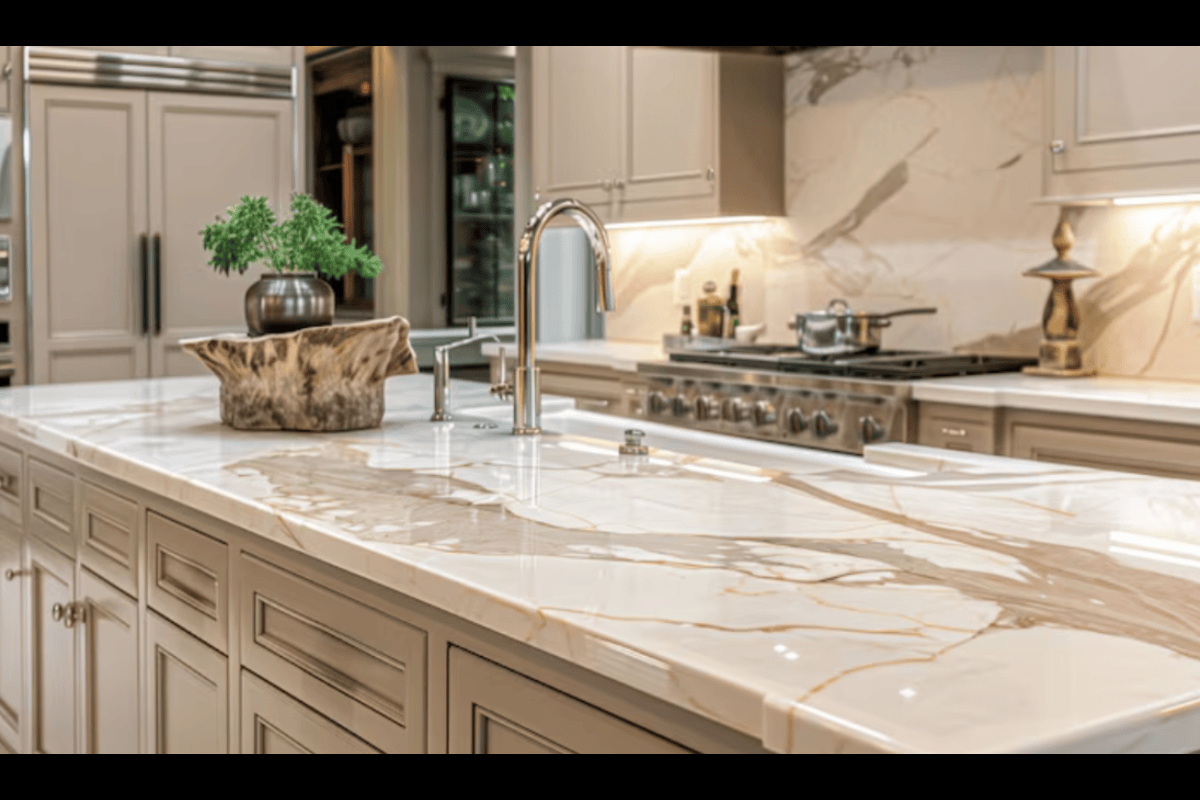
Slab layout affects more than how much stone gets used. It can change how colors, patterns, and veins appear across the finished countertop.
Before cutting, the fabricator can look at the slab and plan where each section should go. This becomes especially important with stone that has bold or flowing patterns.
For example, a homeowner may choose a slab because of one striking vein. The fabricator then needs to consider how that vein will appear near the sink, island, corners, and seams.
Wrap Up
Seams, edges, and sink cutouts may look like small parts of a countertop, but each one affects the finished surface.
Good fabrication connects all these details before the slab gets cut. Accurate measurements help the countertop fit the space. Smart slab layout helps the stone pattern flow. Careful edge and sink work helps create a clean final finish.
For homeowners researching countertop fabrication Fargo, understanding these steps makes it easier to ask the right questions and make informed choices. A well-planned fabrication process can turn a large stone slab into a countertop that fits the room, suits the design, and handles everyday use.