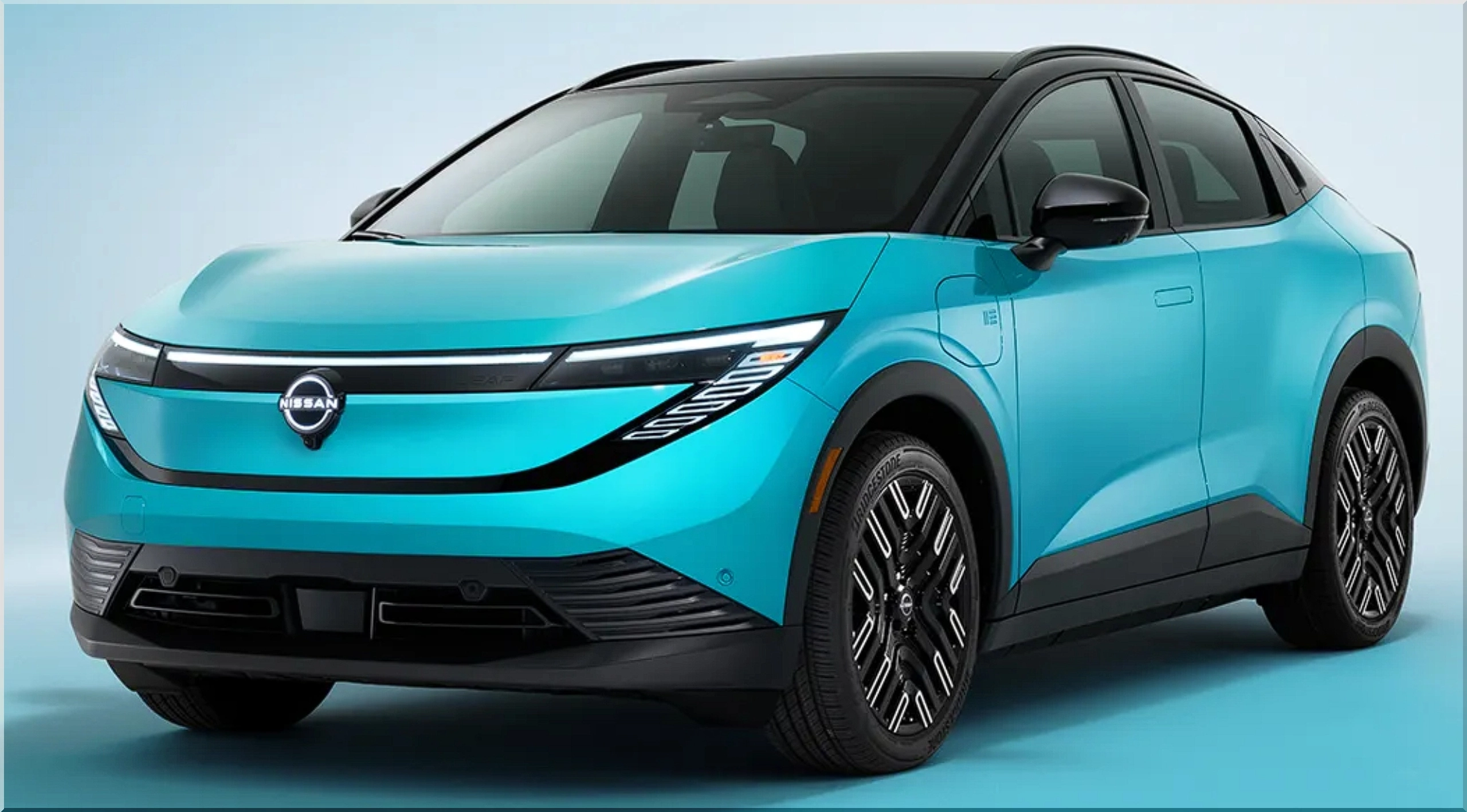

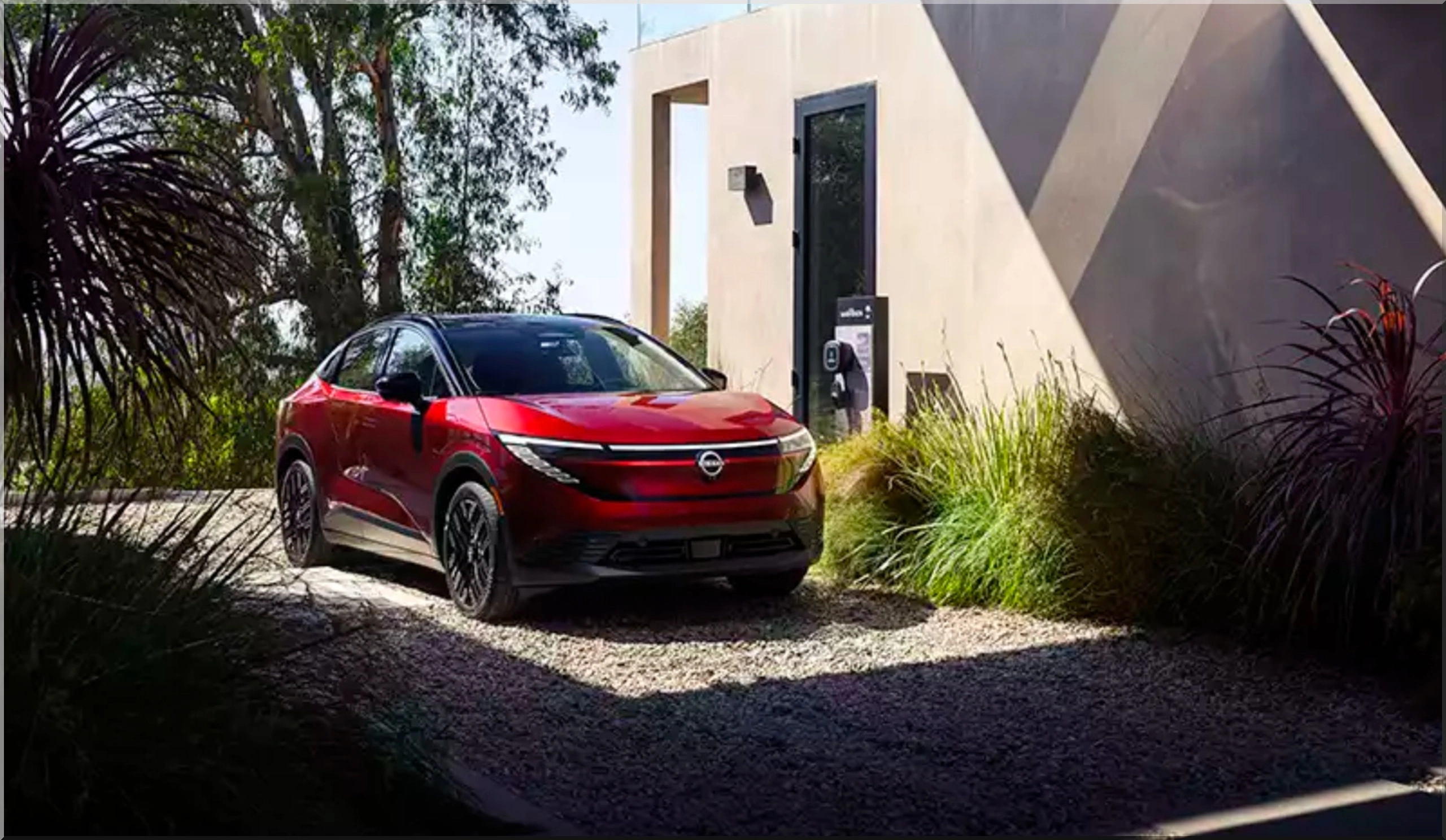
Nissan sold the first mass-market electric vehicle in 2010. Since then, the company has moved over 650,000 LEAFs globally, accumulating more than 12 billion electric miles of owner data. That experience shapes the 2026 LEAF, a complete redesign that delivers 303 miles of EPA-estimated range, 150 kW DC fast charging, and a starting price of $29,990.
This third-generation model marks a turning point. Nissan switched from air-cooled to liquid-cooled battery technology, adopted the North American Charging Standard (NACS) port, and slashed aerodynamic drag to 0.26. Each change addresses a specific weakness that suppressed EV adoption over the past decade.
Battery Architecture: Why Liquid Cooling Changes Everything
The 2026 LEAF uses a 75 kWh liquid-cooled lithium-ion battery with active thermal management. This system circulates coolant through channels surrounding the battery cells, maintaining optimal operating temperature between 20°C and 40°C (68°F to 104°F).
The previous Nissan LEAF relied on passive air cooling. That design caused rapid battery degradation in hot climates and restricted DC fast charging speeds because the pack could not dissipate heat quickly enough. Nissan's decision to adopt liquid cooling directly addresses these limitations.
Specifically, the new thermal management system includes two key innovations:
- Heat recovery from the onboard charger. The system captures waste heat generated during charging and redirects it to warm the battery in cold weather, improving cold-start range by an estimated 10 to 15 percent.
- Route-aware thermal preconditioning. On equipped trims, the navigation system triggers battery warming or cooling before the vehicle reaches a DC fast charger, enabling maximum charge acceptance upon arrival.
From an expert perspective, these engineering choices reflect a fundamental shift. Nissan now prioritizes long-term battery health and consistent performance over initial cost reduction. The 75 kWh pack delivers 214 horsepower and 261 lb-ft of torque through a single front-mounted motor. That torque figure represents a 54 lb-ft increase over the first-generation LEAF.
Image
Battery Chemistry and Range Tradeoffs
Nissan selected nickel manganese cobalt (NMC) chemistry for the 2026 LEAF. NMC packs offer higher energy density than lithium iron phosphate (LFP) alternatives, meaning more range from a lighter battery.
| Chemistry | Energy Density | Cycle Life | Cold Weather Performance | Cost per kWh |
|---|---|---|---|---|
| NMC (LEAF) | Higher | Moderate | Better | Higher |
| LFP (Bolt) | Lower | Higher | Worse | Lower |
The LEAF's NMC pack achieves an EPA-estimated 303 miles of range on the S+ trim. By comparison, the Chevrolet Bolt's 65 kWh LFP pack delivers 262 miles. The LEAF's lighter battery contributes directly to this advantage, as every pound of battery mass requires energy to transport.
Charging Infrastructure: Level 1, Level 2, and DC Fast Charging
Charging speed varies dramatically by power source. The three tiers operate at different voltages and deliver vastly different energy rates.
Level 1 charging uses a standard 120-volt AC household outlet. This provides approximately 1 kW of power, adding 2 to 5 miles of range per hour. A full charge from empty on the LEAF's 75 kWh battery would take 40 to 50 hours. Level 1 works only for overnight top-ups if the driver covers fewer than 40 miles daily.
Level 2 charging operates at 240 volts AC, the same voltage used for electric clothes dryers. Power output ranges from 7 kW to 19 kW, adding 10 to 20 miles of range per hour. A Level 2 charger replenishes the LEAF's battery from empty to 80 percent in 4 to 10 hours. This represents the practical home-charging standard for most owners.
DC Fast Charging bypasses the onboard charger entirely, feeding high-voltage direct current straight into the battery. Power output ranges from 50 kW to 350 kW. The 2026 LEAF supports up to 150 kW DC fast charging, recovering 10 to 80 percent in 35 minutes. Looking at the data, this rate translates to approximately 273 miles of range added in half an hour under optimal conditions.
| Charging Level | Voltage | Power Output | Range Added per Hour | LEAF 10-80% Time |
|---|---|---|---|---|
| Level 1 | 120V AC | 1 kW | 2-5 miles | 40-50 hours |
| Level 2 | 240V AC | 7-19 kW | 10-20 miles | 4-10 hours |
| DC Fast | 400-1000V DC | 50-350 kW | 180-240 miles | 35 minutes |
The NACS Port and Plug & Charge: Simplifying the Charging Experience
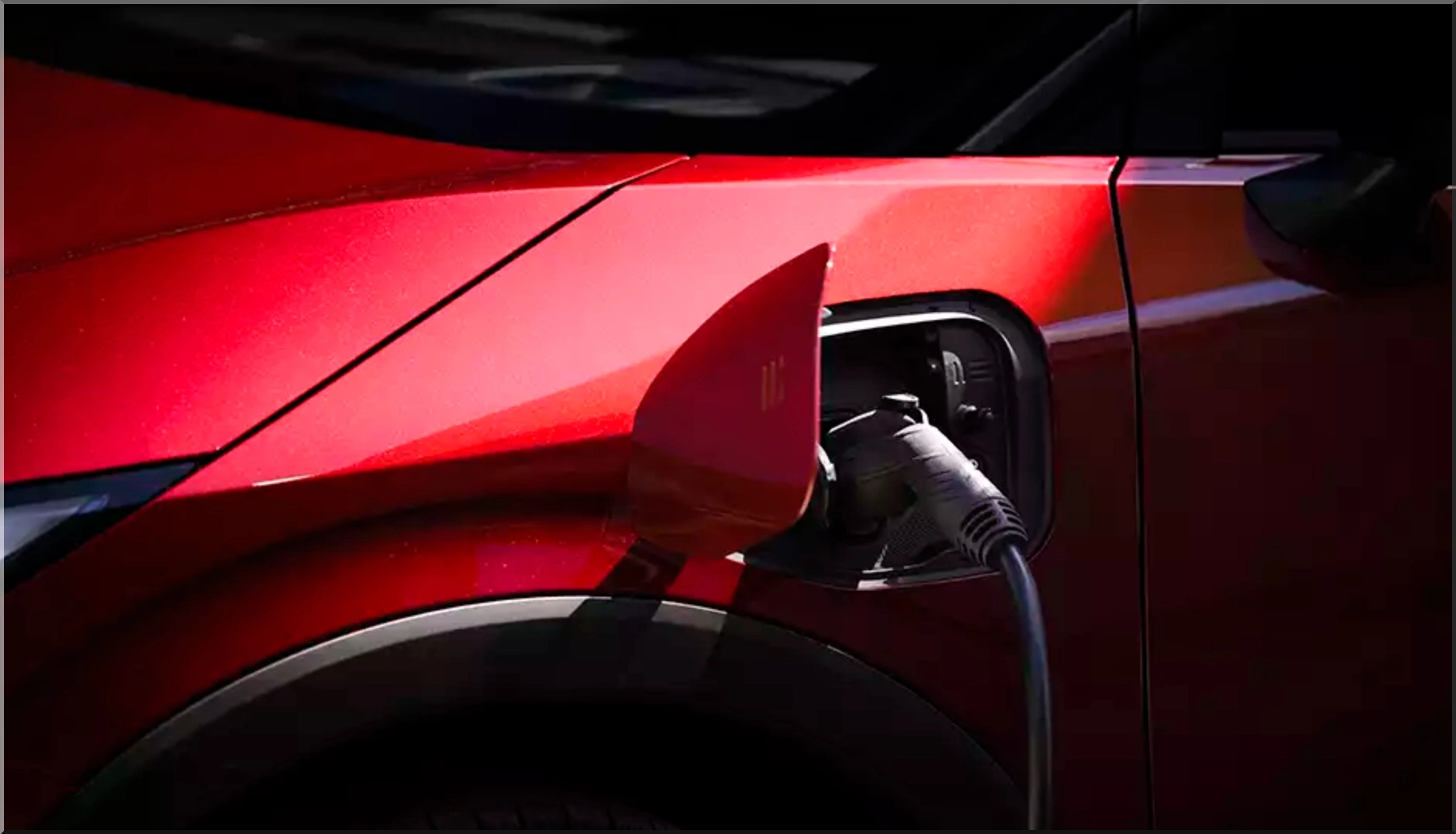
The 2026 LEAF adopts a NACS port on the passenger side for DC fast charging, while retaining a J1772 port on the driver side for Level 1 and Level 2 AC charging. This dual-port configuration provides access to Tesla Superchargers and the broader NACS network without sacrificing compatibility with existing home and public AC infrastructure.
Plug & Charge technology eliminates payment friction. When a driver connects to a compatible station within the Nissan Energy Charge Network, the system authenticates automatically and processes payment without requiring an app, RFID card, or credit card swipe.
Pro-Tip: Optimize Charging Speed on Road Trips
Battery state of charge determines DC fast charging speed. Lithium-ion cells accept maximum power between approximately 10 and 60 percent state of charge. Above 60 percent, the battery management system throttles input to prevent lithium plating and excessive heat. Consequently, the fastest road-trip strategy is to charge from 10 to 60 percent, then resume driving rather than waiting for a full charge. Two shorter stops delivering 50 percent capacity each consume less total time than one stop delivering 100 percent.
Aerodynamic Efficiency: How 0.26 Drag Coefficient Extends Range
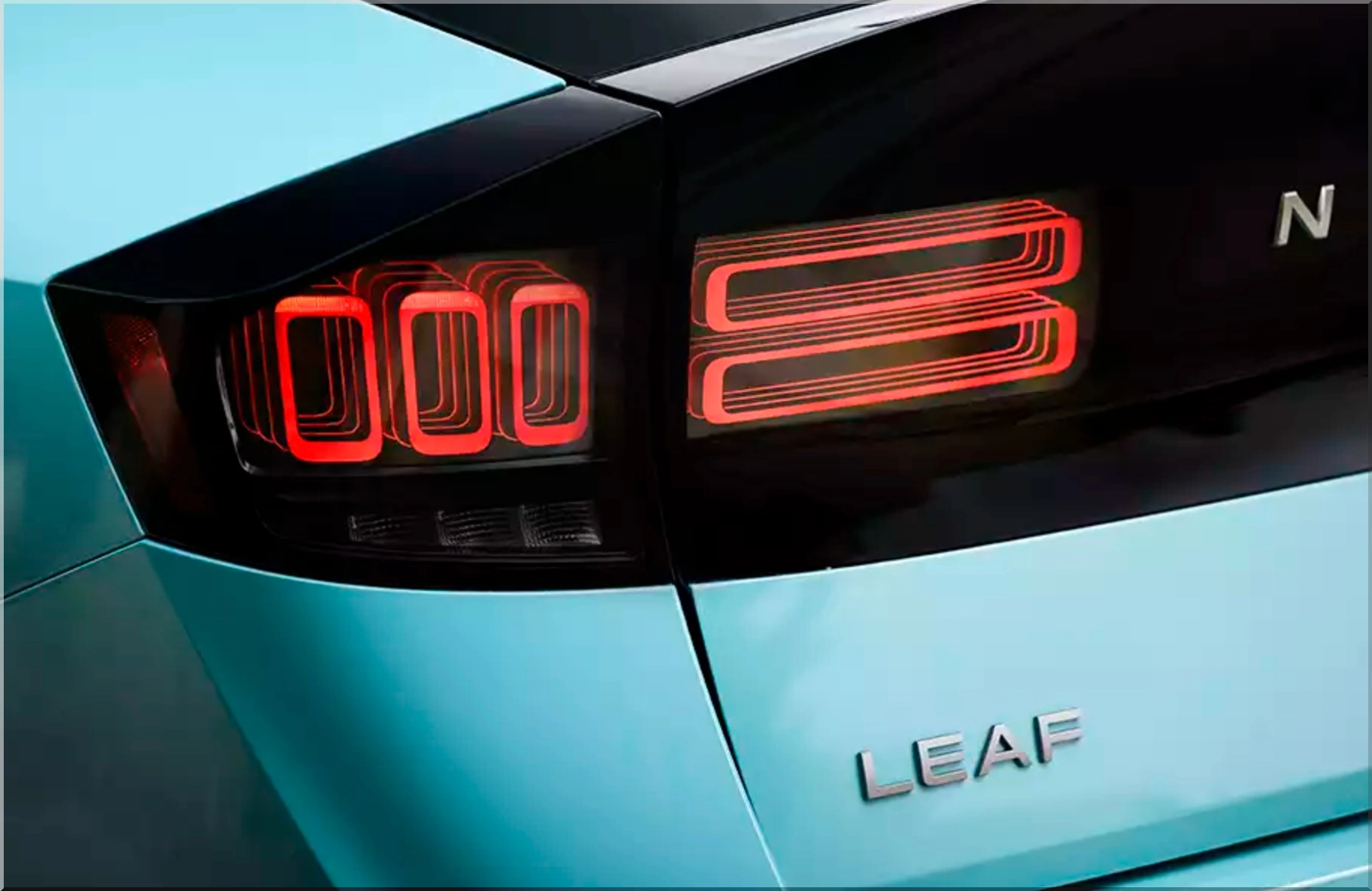
The 2026 LEAF achieves a drag coefficient of 0.26, down from 0.29 on the previous generation. That reduction comes from flush door handles, a sealed underbody, and a rear spoiler mounted at a 45-degree angle.
Aerodynamic drag increases with the square of velocity. At 70 mph, the LEAF's lower drag coefficient translates directly into fewer kilowatt-hours consumed per mile. Specifically, the efficiency gain from 0.29 to 0.26 adds an estimated 12 to 15 miles of highway range compared to what the same battery would deliver in the previous body.
| Model | Battery | EPA Range | Efficiency |
|---|---|---|---|
| 2026 LEAF S+ | 75 kWh | 303 miles | 3.7 mi/kWh |
| 2026 LEAF SV+ | 75 kWh | 288 miles | 3.5 mi/kWh |
| 2026 LEAF Platinum+ | 75 kWh | 259 miles | 3.2 mi/kWh |
The range disparity among trims stems entirely from wheel and tire selection. The Platinum+ rides on 19-inch wheels with wider, stickier rubber, increasing rolling resistance. That 44-mile range penalty between S+ and Platinum+ illustrates how tire choice affects real-world EV performance.
Competitive Landscape: How the 2026 LEAF Stacks Up
The entry-level EV segment has intensified. The 2026 Nissan LEAF competes directly with the Chevrolet Bolt and Hyundai Kona Electric on price, range, and charging capability.
| Metric | 2026 Nissan LEAF S+ | 2027 Chevrolet Bolt LT | 2026 Hyundai Kona Electric |
|---|---|---|---|
| Starting MSRP | $29,990 | $28,995 | $32,975 |
| EPA Range | 303 miles | 262 miles | 200 miles (base) |
| Battery Capacity | 75 kWh | 65 kWh | 48.6 kWh (base) |
| DC Fast Charging | 150 kW | 150 kW | 100 kW |
| 10-80% Charge Time | 35 minutes | ~26 minutes | ~45 minutes |
| Horsepower | 214 hp | 210 hp | 133 hp (base) |
The LEAF leads on range and horsepower at a price within $1,000 of the Bolt. By comparison, the Kona Electric's base model undercuts on price but trails significantly on range and power. The Bolt matches the LEAF on DC fast charging capability but delivers 41 fewer miles of EPA range.
From an expert perspective, the LEAF's combination of range, charging speed, and standard features provides the strongest overall value proposition in this segment.
Battery Longevity and Warranty Coverage
Nissan warrants the LEAF's battery against capacity loss below 9 bars (approximately 70 percent of original capacity) for 8 years or 100,000 miles. This warranty structure aligns with industry norms for NMC chemistry packs.
Real-world data from over 12 billion electric miles driven by LEAF owners globally informs Nissan's degradation models. The company projects less than 20 percent capacity loss after 10 years under typical usage patterns. The switch to liquid cooling should improve these projections further by maintaining more consistent cell temperatures during fast charging and hot-weather operation.
Vehicle-to-Load: The Battery as a Power Source
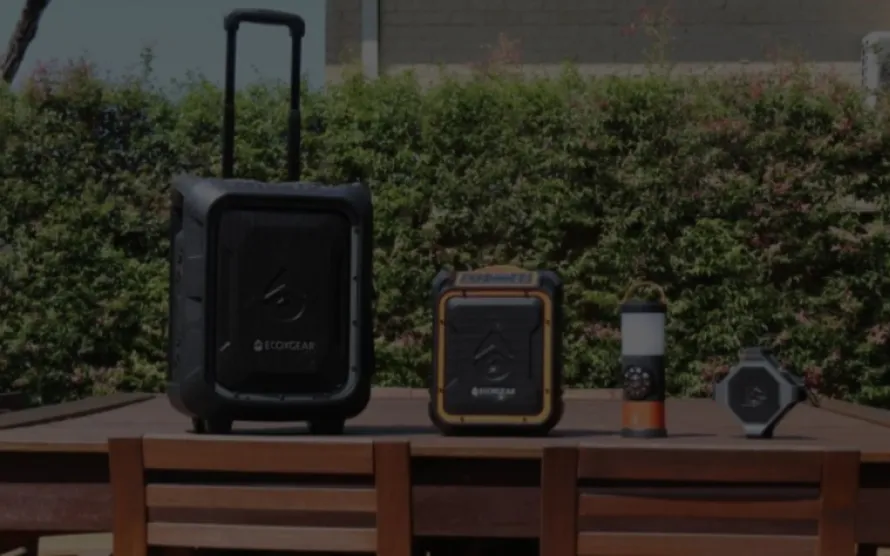
The 2026 LEAF includes Vehicle-to-Load (V2L) functionality, enabling the battery to power external devices through a standard outlet adapter. This capability transforms the vehicle into a 75 kWh mobile power station.
At a continuous draw of 1.5 kW, the LEAF could power a refrigerator, lights, and internet router for approximately 40 hours. The system includes three 120-volt AC household outlets with up to 1,500 watts of output. V2L operation depletes the battery and does not function below the minimum battery level of 20 percent.
Consequently, the battery serves dual purposes: propulsion and emergency power supply. This feature appeals to outdoor enthusiasts and provides practical backup power during grid outages.
What the Data Says About EV Ownership in 2026
The convergence of affordable battery capacity, rapid DC charging infrastructure, and simplified payment systems has removed the practical barriers that once made EV ownership inconvenient. The 2026 Nissan LEAF delivers 303 miles of EPA range, recovers 80 percent capacity in 35 minutes, and starts below $30,000.
Those figures represent the current state of the art for accessible electric mobility. The engineering logic behind this achievement rests on NMC battery chemistry, a 0.26 drag coefficient, a 150 kW charging architecture, and liquid-cooled thermal management. Each element contributes to a vehicle that asks less from its driver than any internal combustion equivalent.