
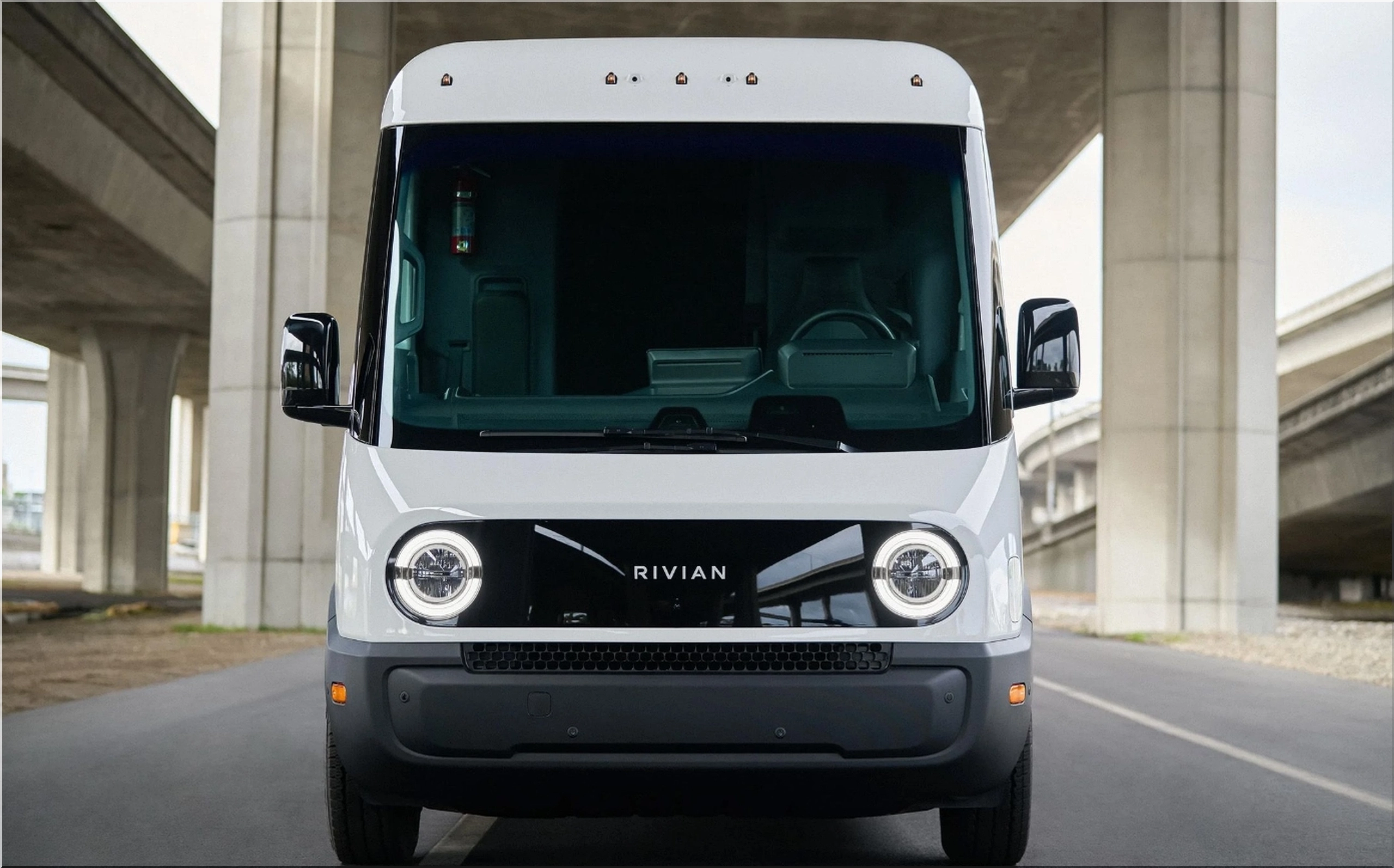
Transport costs can consume a big slice of a fleet’s budget. Fuel prices keep jumping, maintenance is unpredictable, and downtime is a costly risk. Fleet managers are always on the hunt for solutions that reduce expenses and stay reliable. One contender in the electric vehicle (EV) category is the Rivian Commercial Van. With recent updates making it available to any fleet, it’s worth examining the facts to see how it might fit into your operation.
Why Electric Cargo Vans Make Sense
Diesel and gasoline vehicles have long dominated commercial use. Yet their inefficiencies are becoming hard to ignore. Electric cargo vans offer lower fuel expenses, fewer moving parts, and reduced emissions. According to the U.S. Environmental Protection Agency, transportation accounts for nearly 27% of greenhouse gas emissions in the country. Switching to EVs can help shrink that footprint while protecting against rising fuel costs.
Large companies, including Amazon, have already adopted electric vans to slash fleet expenses and promote cleaner logistics. With the Rivian Commercial Van, other businesses now have access to these benefits as well.
Key Data: Rivian’s Fleet Availability
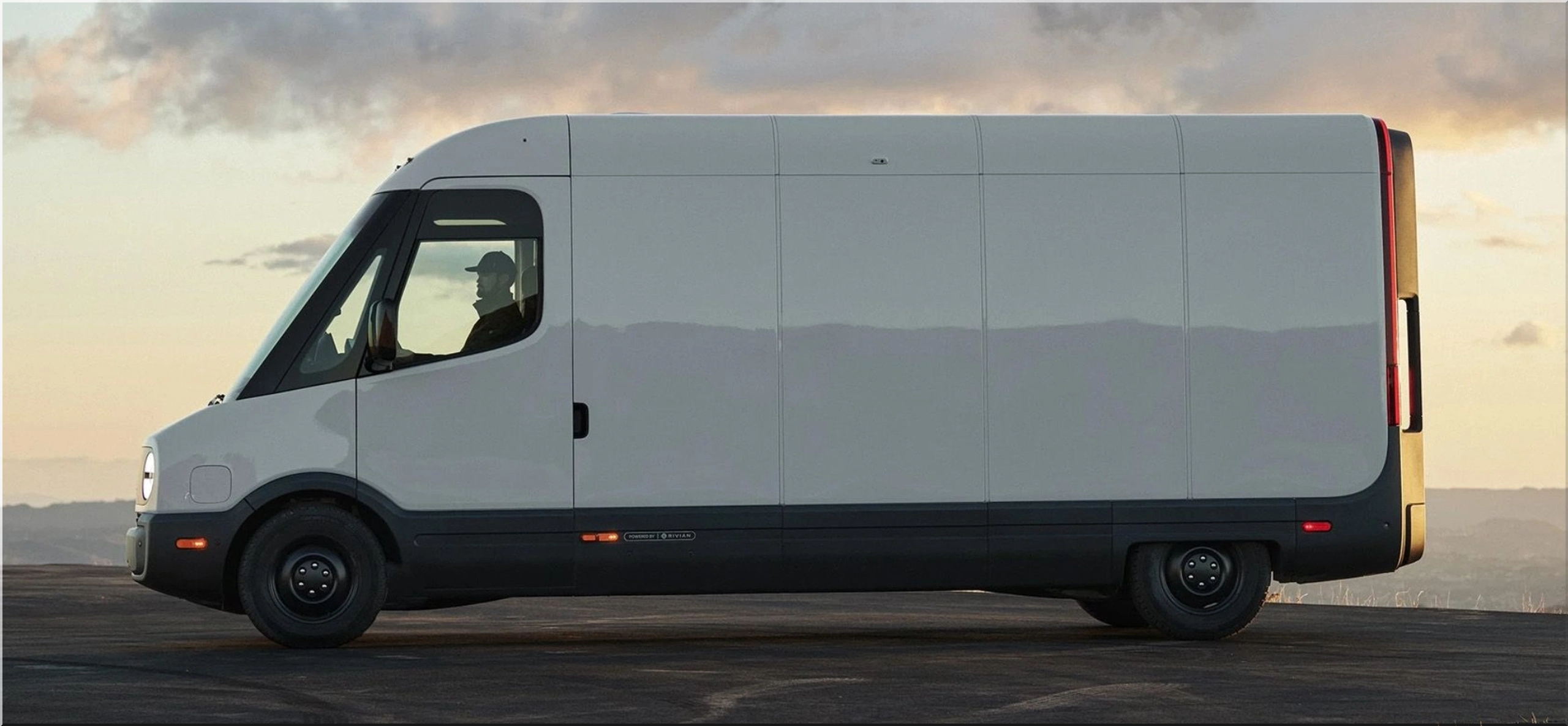
Rivian first partnered with Amazon on an exclusive agreement. That initiative placed thousands of Rivian vans on the road delivering parcels. The good news is that Rivian will now sell its commercial van to any interested fleet, starting at around $79,900, according to Electrek. This shift expands the van’s reach beyond one primary client and creates a fresh option for organizations keen on electrification.
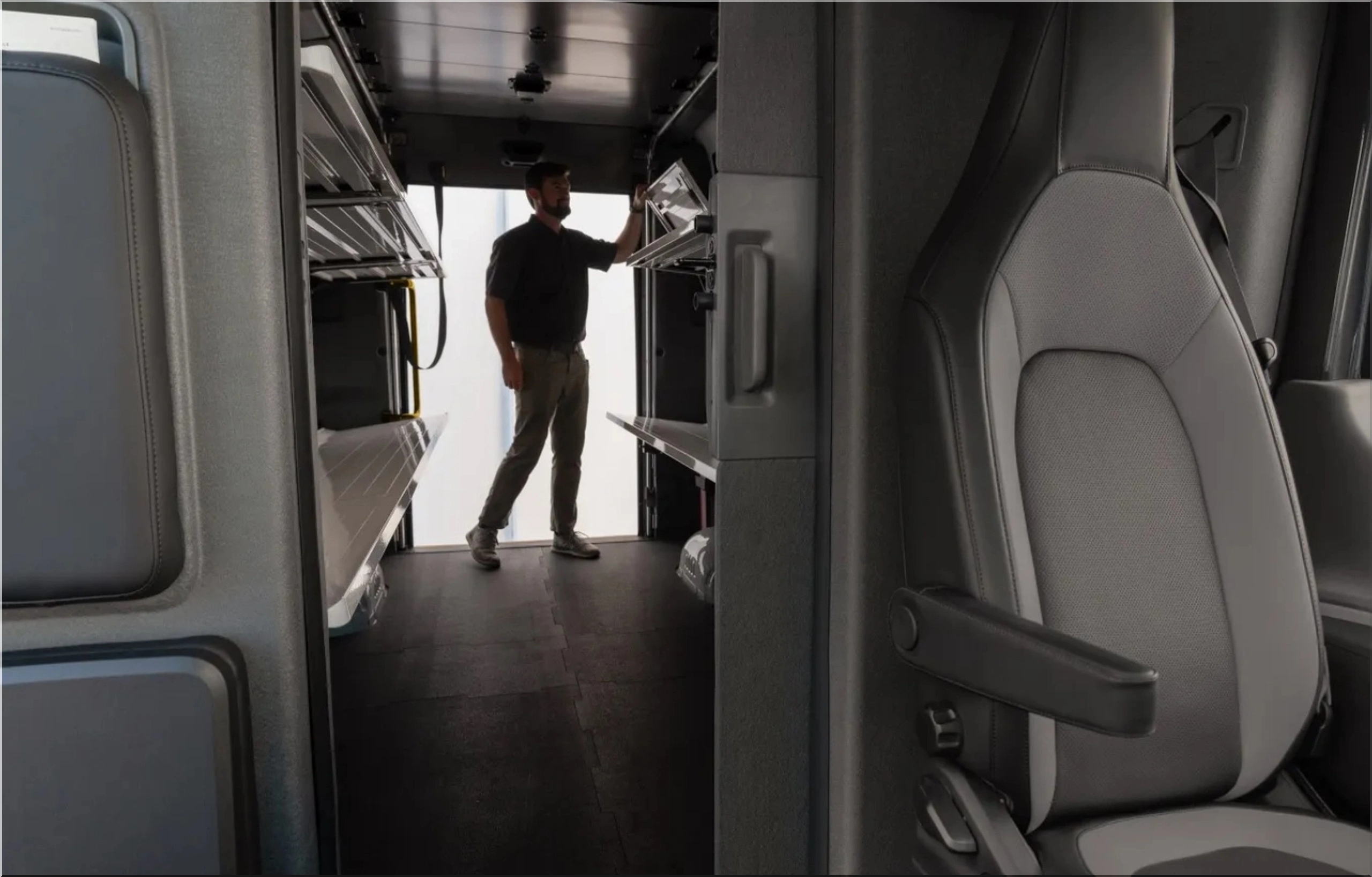
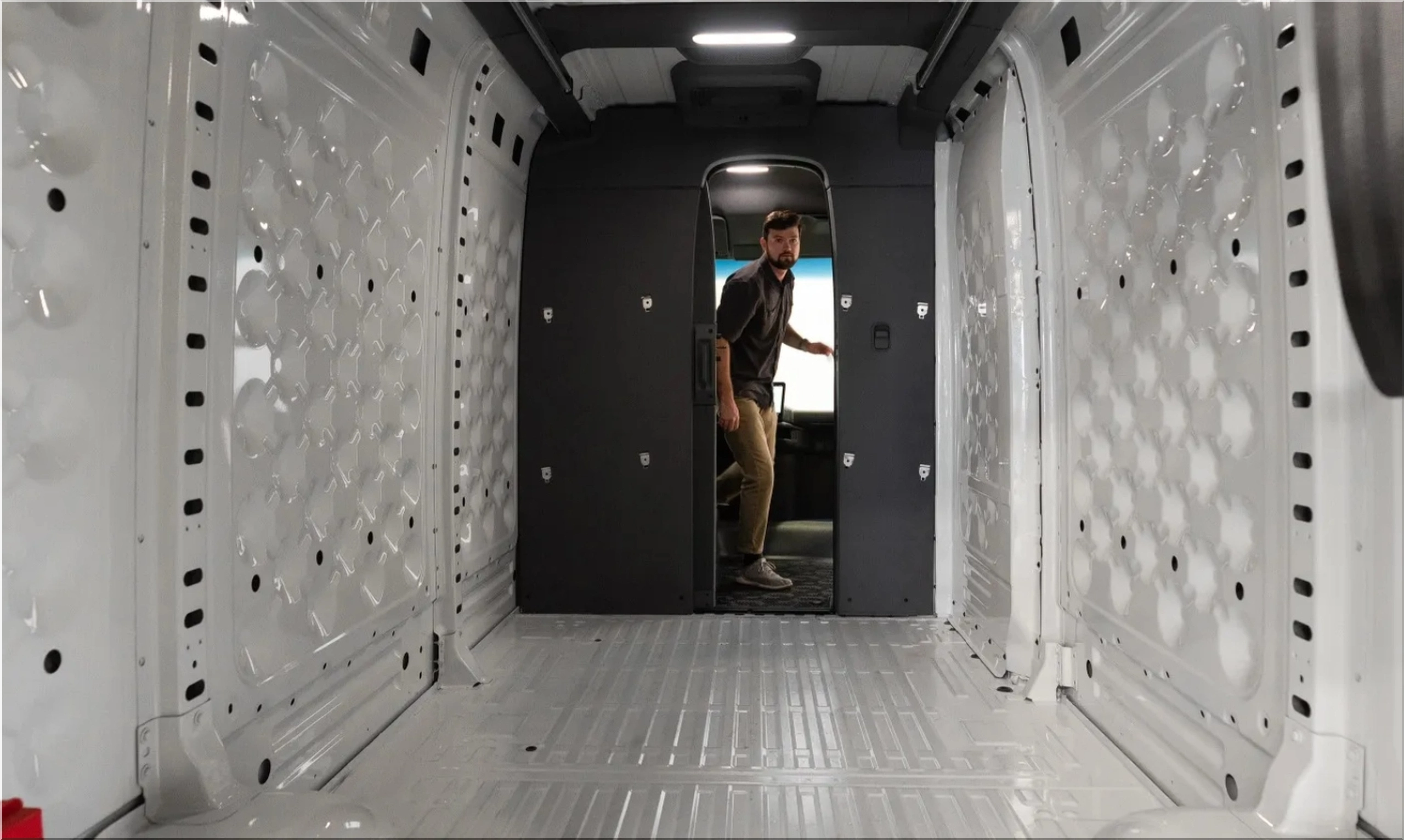
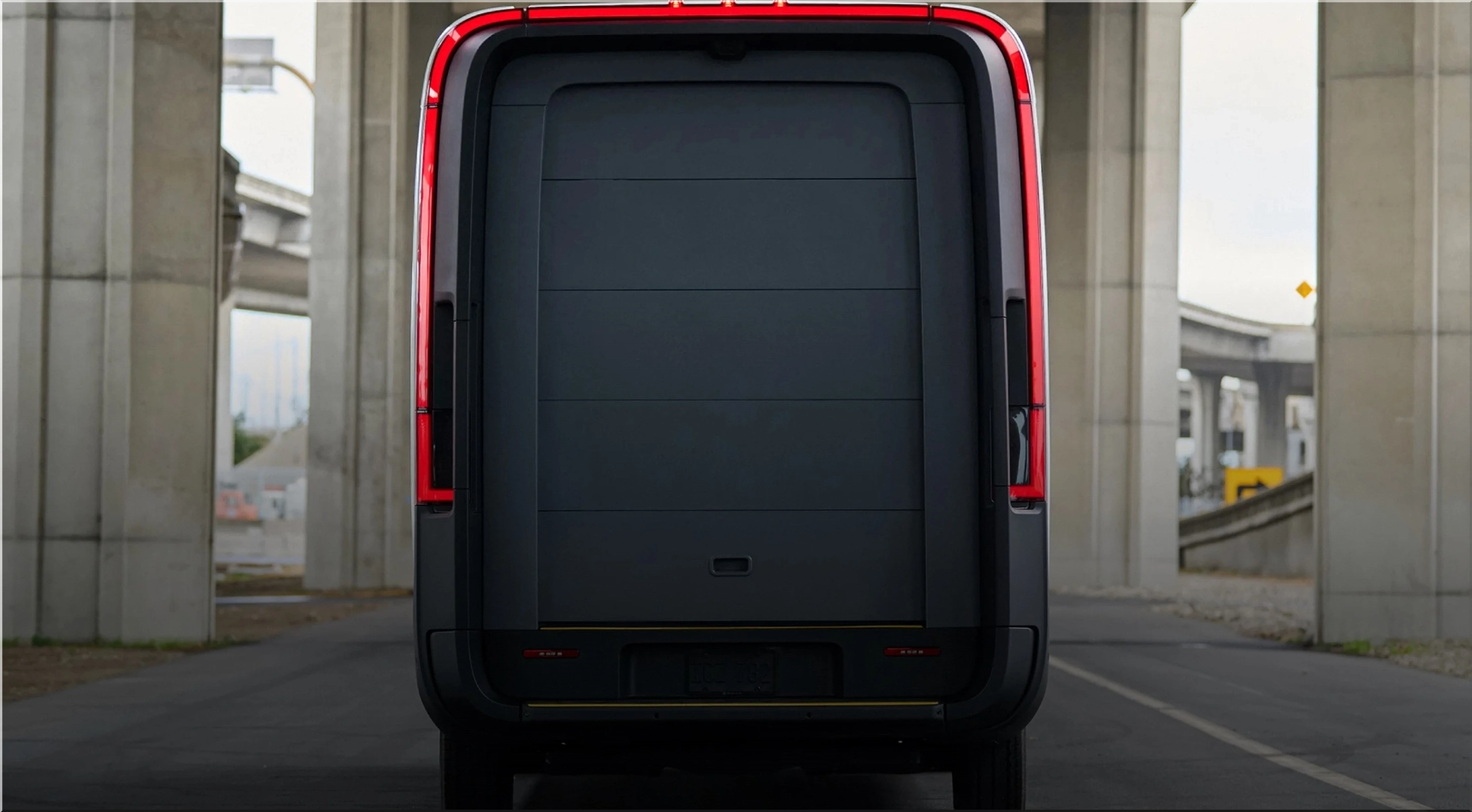
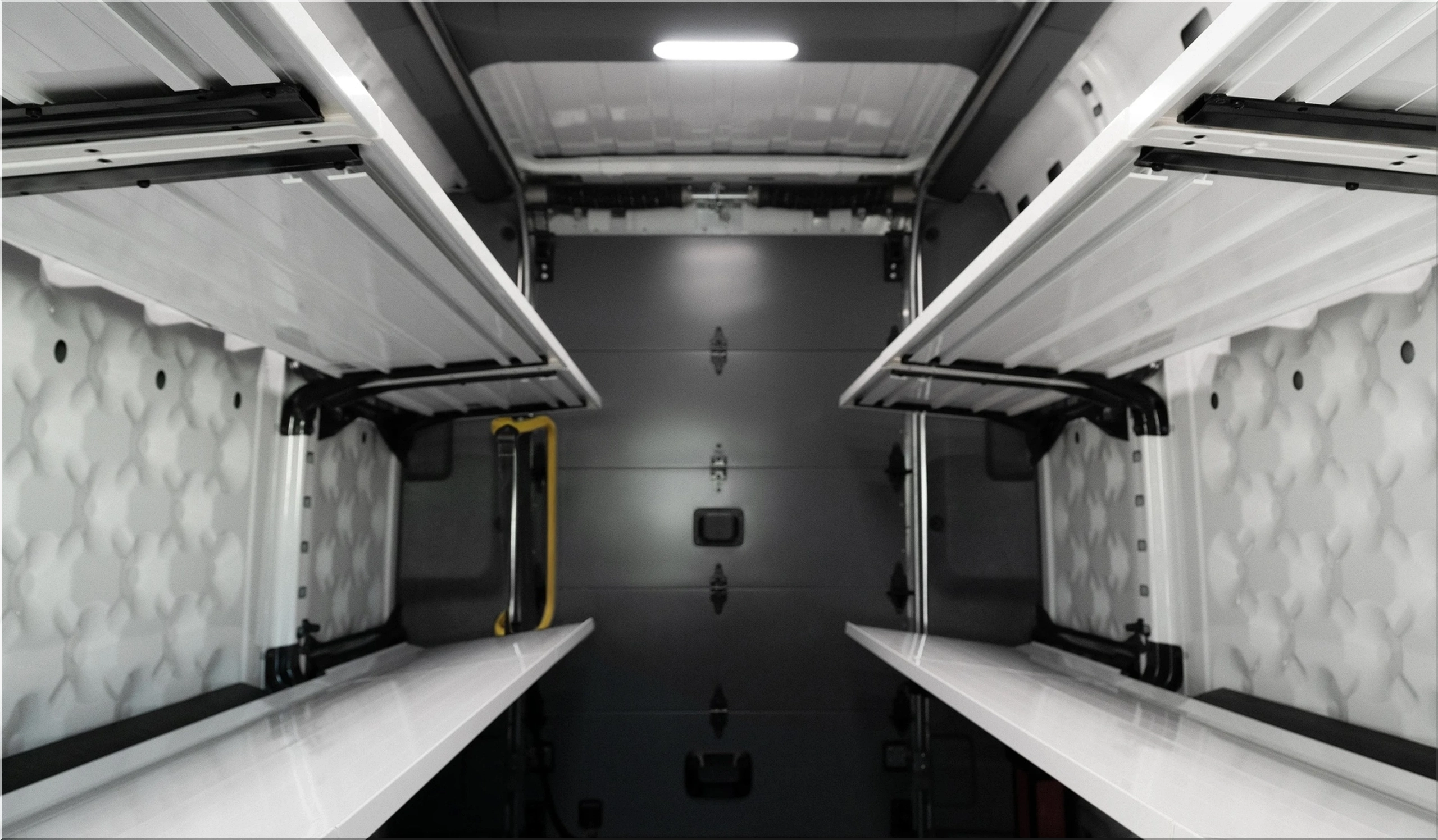
The van’s official specifications from Rivian’s website show a design focused on cargo space, safety, and durability. It’s built with a low step-in height, ample loading capacity, and multiple door configurations for swift deliveries. A long wheelbase version offers even more room for bulkier loads. Data from Rivian’s public statements also suggests a target driving range that competes with other EV cargo vans on the market.
Practical Advantages on the Road
Operational savings are a top priority. Electric vans tend to have lower running costs because electricity prices are more stable than fossil fuel costs. Maintenance can be simpler too, since electric drivetrains have fewer parts that wear out. Brakes last longer thanks to regenerative braking, which recaptures energy during deceleration.
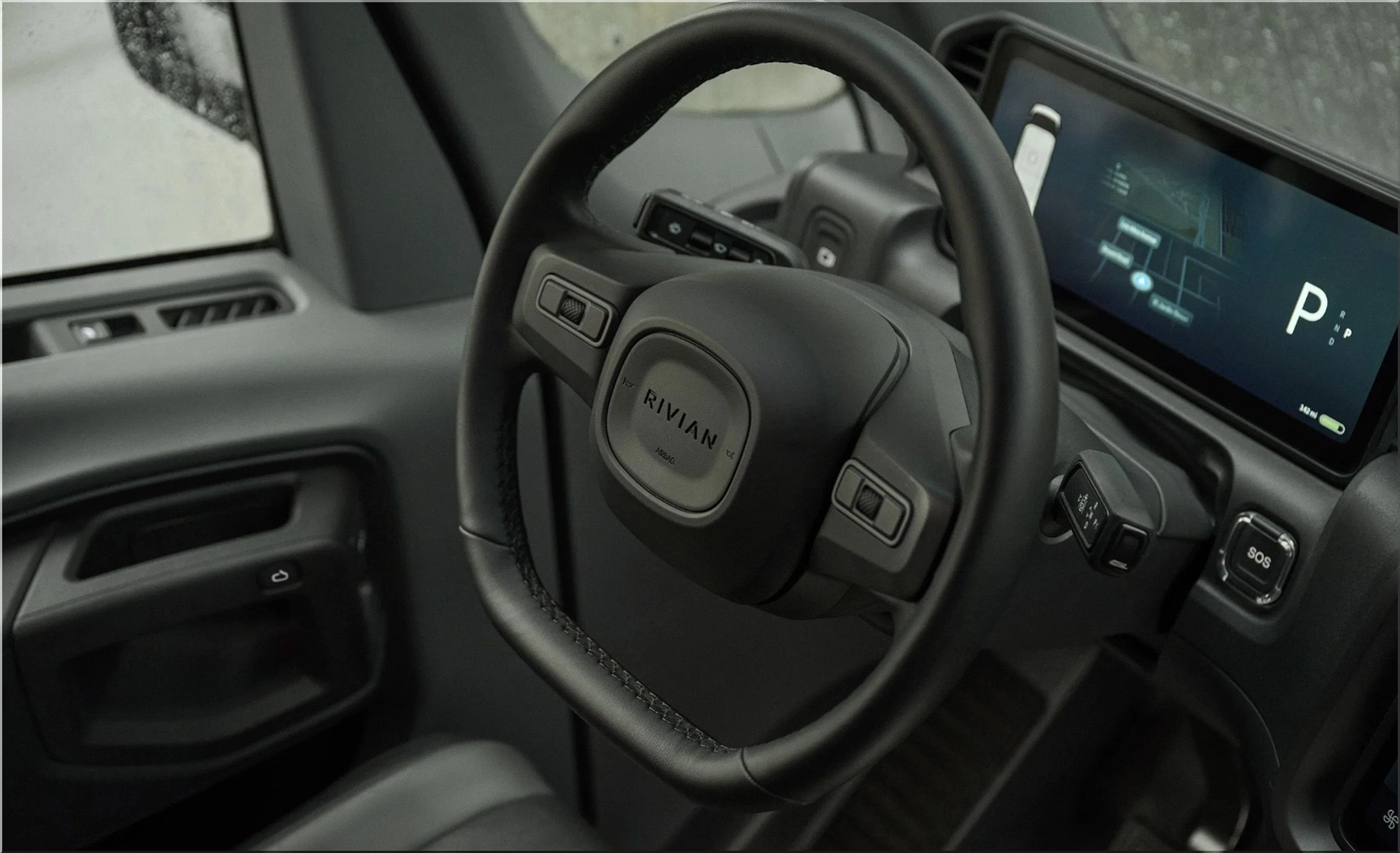
Many electric vans are designed with telematics that deliver valuable insights on driver behavior and battery health. This can empower fleet managers to adjust routes, manage charging schedules, and plan preventive maintenance with precision. A vehicle health dashboard also helps reduce guesswork. Over time, those small adjustments can compound into major savings.
Fleets that handle last-mile deliveries or regional shipments may see the biggest benefits. In urban settings, an EV’s instant torque and smooth acceleration provide efficiency when making frequent stops. Noise reduction is another plus. Electric motors run quietly, which can boost driver comfort and reduce disturbance in residential areas during early morning or late-night runs.
Charging Basics to Keep in Mind
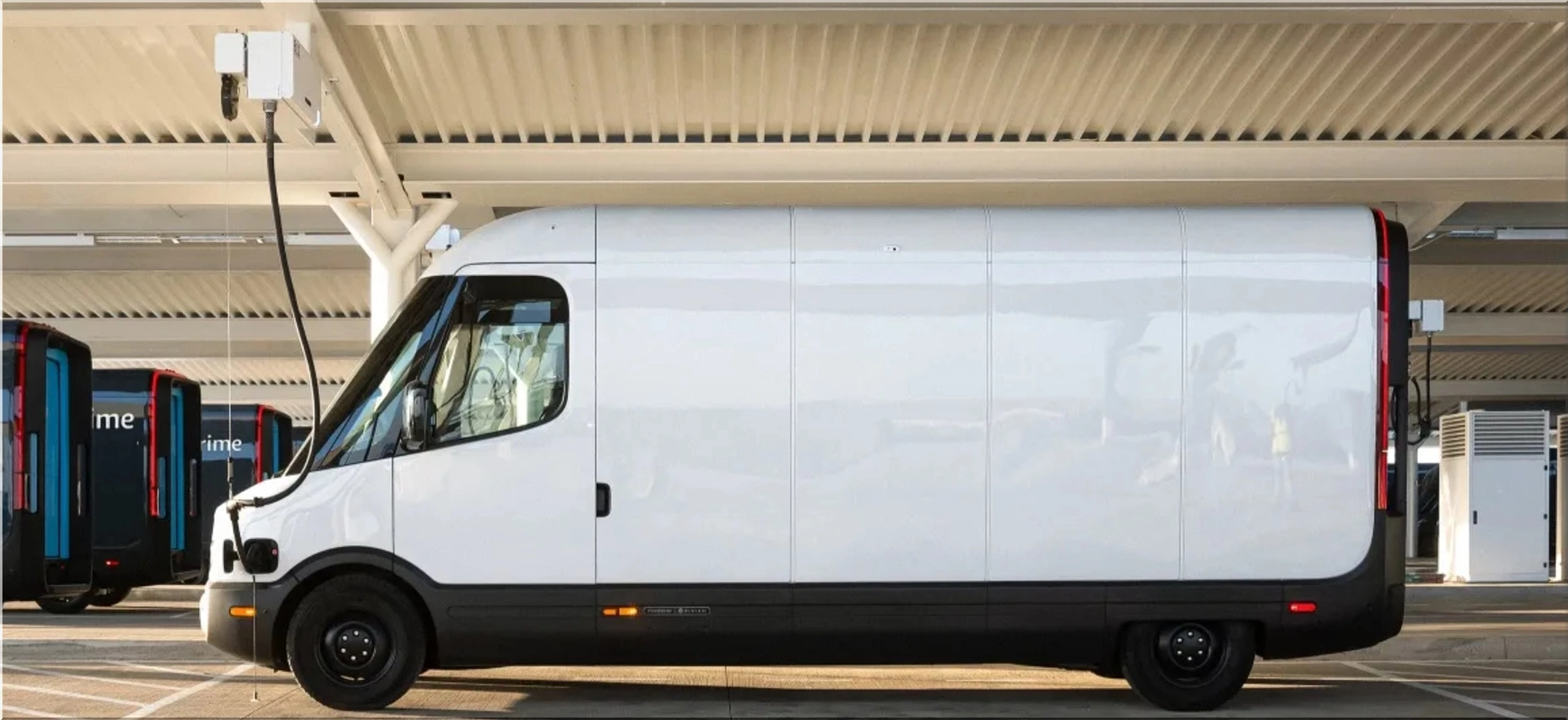
Moving to electric vans introduces a new piece of the puzzle: charging infrastructure. Companies that operate their own depots often install chargers on-site for overnight top-offs. This approach takes advantage of cheaper off-peak electricity rates in many regions. Some businesses partner with charging providers that specialize in fleet solutions, ensuring vehicles are powered up whenever they return to base.
During route planning, managers must confirm that drivers can find charging stations if they operate across several locations. Public charging networks have grown, but it’s wise to confirm access before finalizing deployment. Rivian’s van uses standard connectors, making it compatible with widely available charging hardware.
A structured charging plan can avoid long waits and keep vehicles in service. Free apps and telematics tools can show real-time station availability, battery charge status, and ideal times to plug in. This type of data, coupled with the van’s own systems, reduces uncertainty and helps fleets maintain consistent schedules.
Tackling Range Anxiety
Range anxiety is a common concern in EV conversations. Many commercial routes are well within typical EV range, though. Rivian’s van is designed with deliveries in mind, so it’s built to handle daily loops without frequent stops for charging. Actual range varies based on cargo weight, climate conditions, and driving habits.
A best practice is to map out each vehicle’s route and compare daily mileage with the expected range. If a van usually runs 100 miles each day, it may still have spare battery capacity by evening. If some routes approach the upper end of the van’s range, a short top-off during lunch or a delivery break could be enough.
Practical Steps for Fleet Managers
- Start Small and Build
Pick a subset of routes suitable for electric vehicles. Gauge how charging integrates with daily schedules. Gather performance data from drivers. Use these insights to refine operations and predict how larger rollouts might work. - Crunch the Numbers
Calculate the total cost of ownership. Factor in purchase price, incentives, charging hardware, electrical upgrades, and lower maintenance. Compare that to the cost of running diesel vans over the same span. - Examine Load Requirements
Check how much weight or volume your typical route handles. Rivian’s specs indicate large cargo capacity, but verifying your demands ensures a comfortable fit. Overloading an EV can reduce its range and affect performance. - Review Available Incentives
Many regions offer grants or tax breaks to support fleet electrification. Federal and state programs sometimes help offset charging installation costs or reduce vehicle prices. Investigate local rebates and utility programs for maximum savings. - Equip Your Team
Plan training for drivers, dispatchers, and maintenance staff. Share best practices like gentle acceleration, regenerative braking, and efficient routing. Teach employees how to interpret real-time data from onboard systems to spot potential issues early. - Track Results
Collect data once the vans are in service. Compare fuel savings, maintenance cuts, and driver feedback. If the results are promising, scale up by adding more electric vans to different routes.
Common Objections and Responses
- “My routes are too long.”
Analyze exact distances. Many final-mile deliveries happen within an urban core. Some routes are shorter than you think. If extra range is needed, partial charging during breaks could solve the problem. - “I’m worried about power outages.”
Traditional trucks rely on gas stations that can also be impacted by electricity loss. Installing backup systems or scheduling off-peak charging can mitigate this risk. When carefully planned, an EV fleet can be as reliable as a conventional one. - “We don’t have space for chargers.”
Some operators choose compact wall-mounted chargers in a yard or parking lot. Others team with service providers to install units that fit existing facilities. A site survey can reveal many workable options.
Keep an Eye on Residual Value
EV residual values may be strong in the long term. As electric drive technology gains momentum, used electric cargo vans could become desirable in secondary markets. Potential buyers might include companies that run smaller fleets or short routes. A healthy second-hand value can favorably impact total ownership costs over time.
Conclusion
Rivian’s entry into the broader commercial space marks a shift in how fleets can approach last-mile and short-range deliveries. The van’s pricing, combined with lower fuel and maintenance costs, might generate a solid return on investment for many operators. Charging logistics can sound complex at first, but a well-planned approach can smooth the adoption process.
Are you ready to break away from rising fuel prices and frequent repairs? A closer look at the Rivian Commercial Van could be the next step toward a more streamlined delivery system. Electric fleets have the potential to boost efficiency and cut long-term costs. Will your team take that step toward cleaner, quieter, and more cost-effective transport?