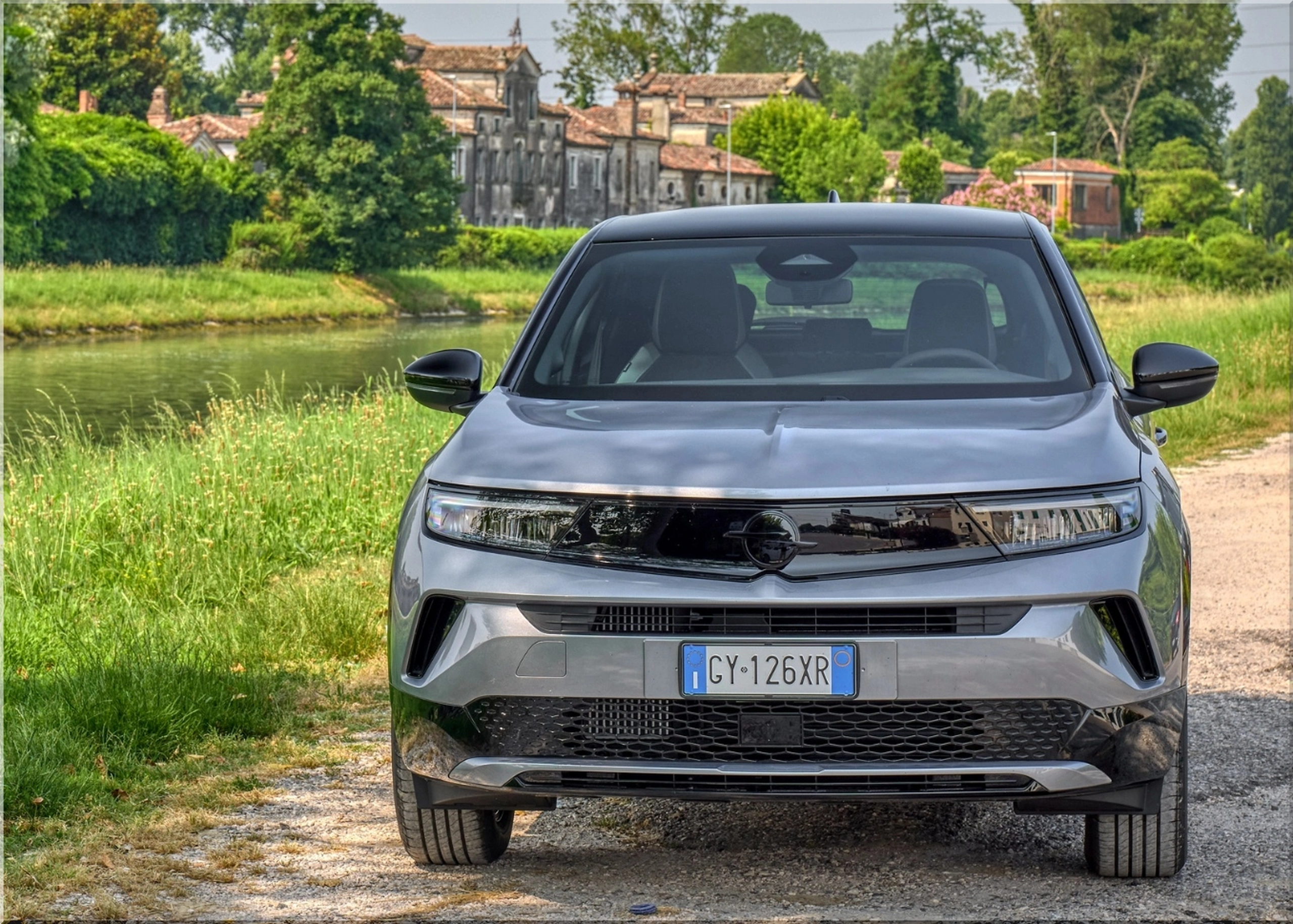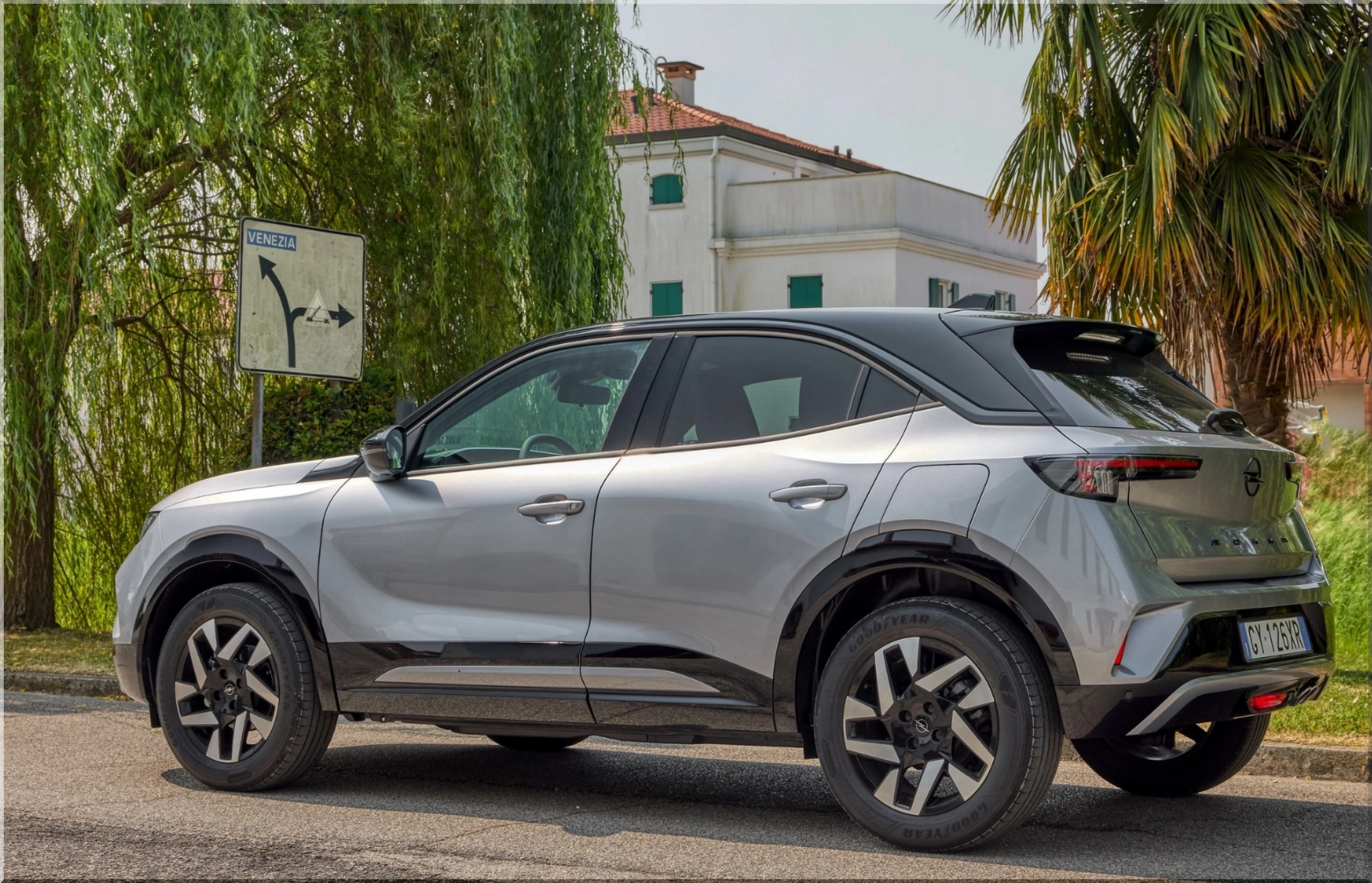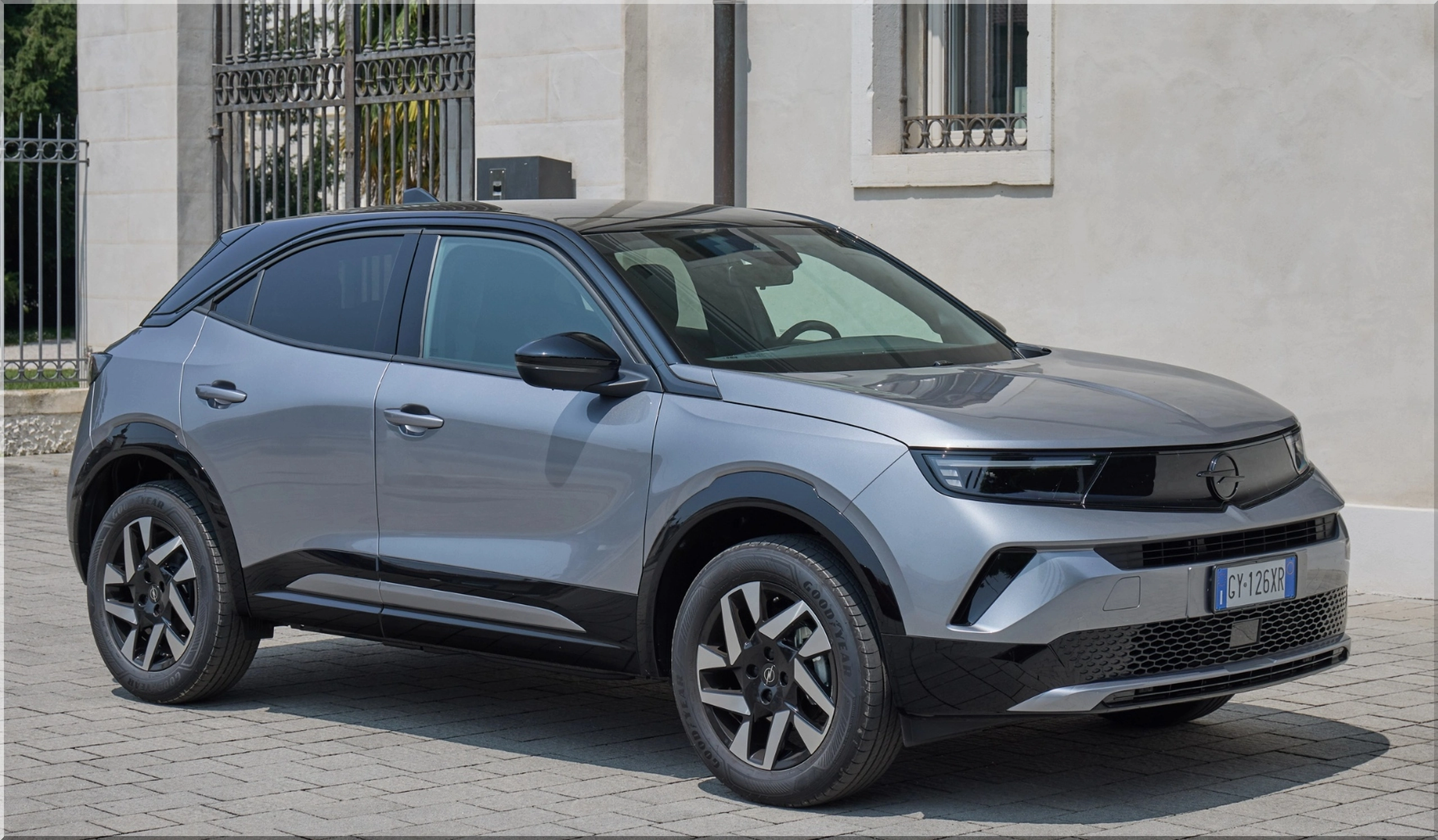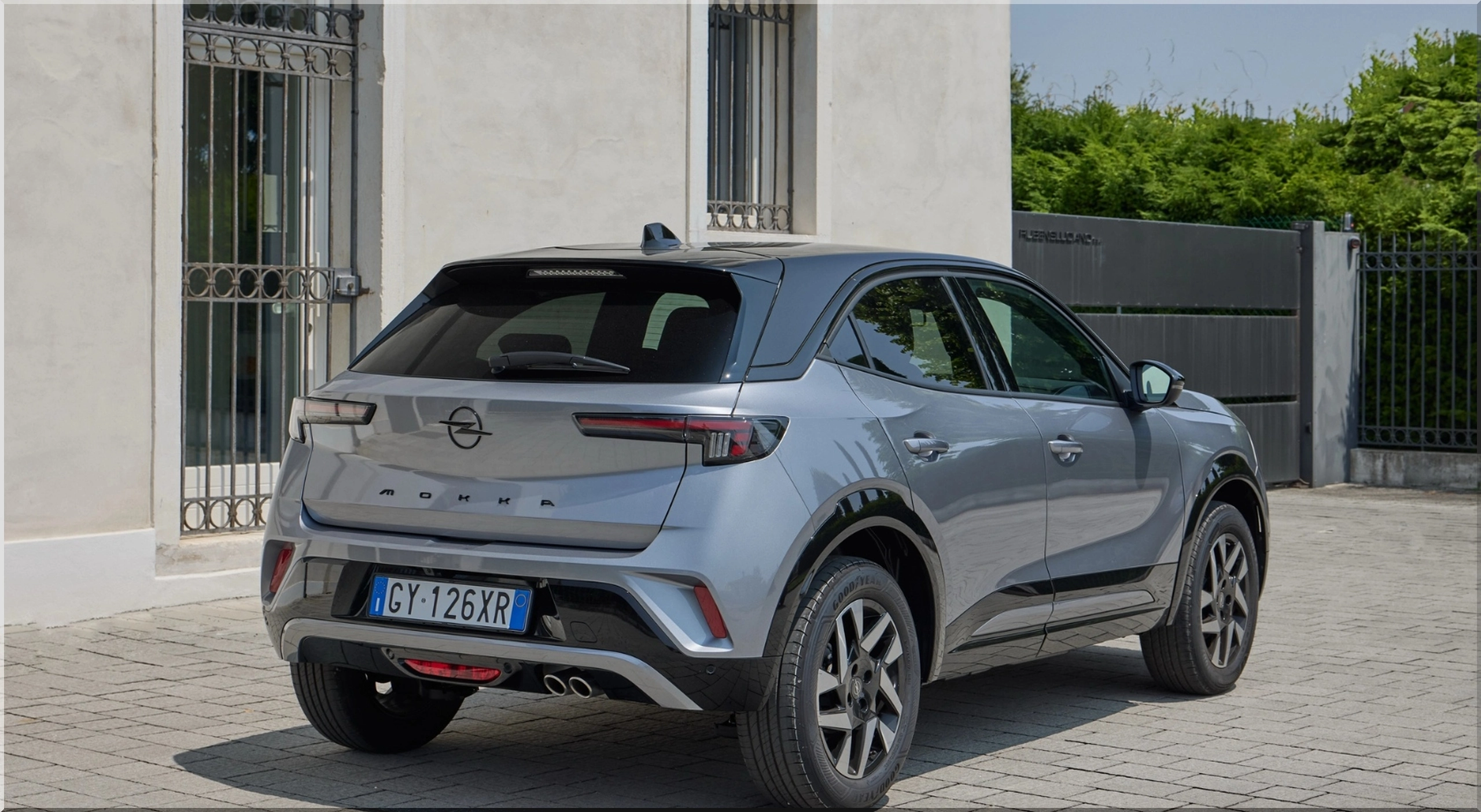

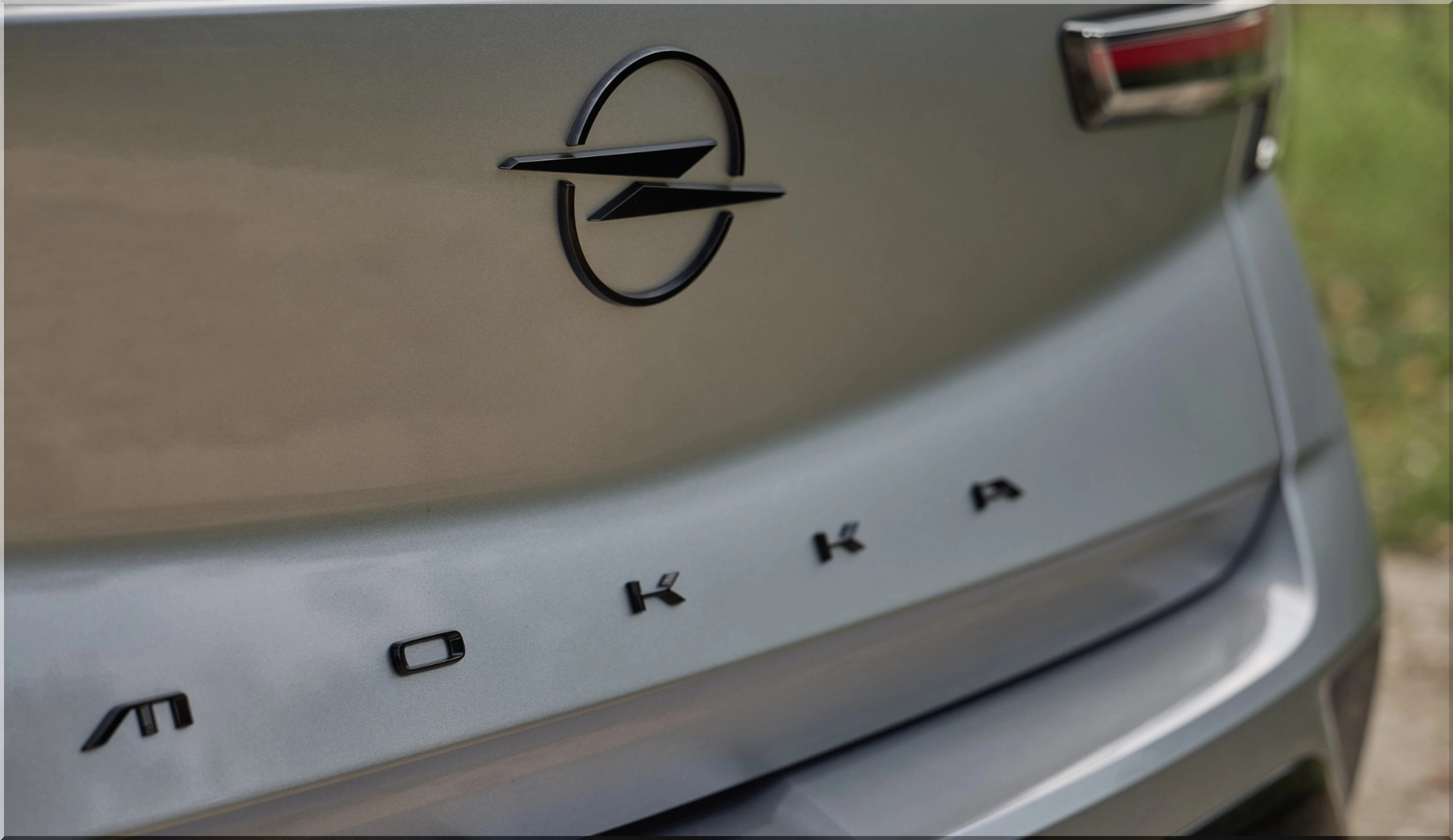
The Opel Mokka plays a sharper card than the average small SUV. It sells shape, size discipline, and enough drivetrain choice to pull in city drivers, private buyers, and small-company users who want low running costs without moving into a larger crossover. Opel keeps the compact footprint intact and puts the spend where buyers will feel it first: Mokka Electric range, digital cockpit hardware, simplified trims, and cleaner drivetrain choice.
Looking at the data, the update does not chase size inflation. The Mokka still measures 4,150 mm long, 1,987 mm wide with mirrors, and 1,534 mm tall, so it stays easy to park in tight European streets while giving drivers the higher hip point people expect from a B-SUV. The wheelbase measures 2,557 mm on combustion and hybrid models and 2,561 mm on the electric version.
The main headline sits under the floor. The Opel Mokka Electric uses a 54 kWh battery, a 115 kW electric motor, and 260 Nm of instant torque, giving it up to 403 km of WLTP range in European press data. Current retail data also positions the electric model aggressively, with the Mokka Electric Edition listed from EUR 34,999.
Image
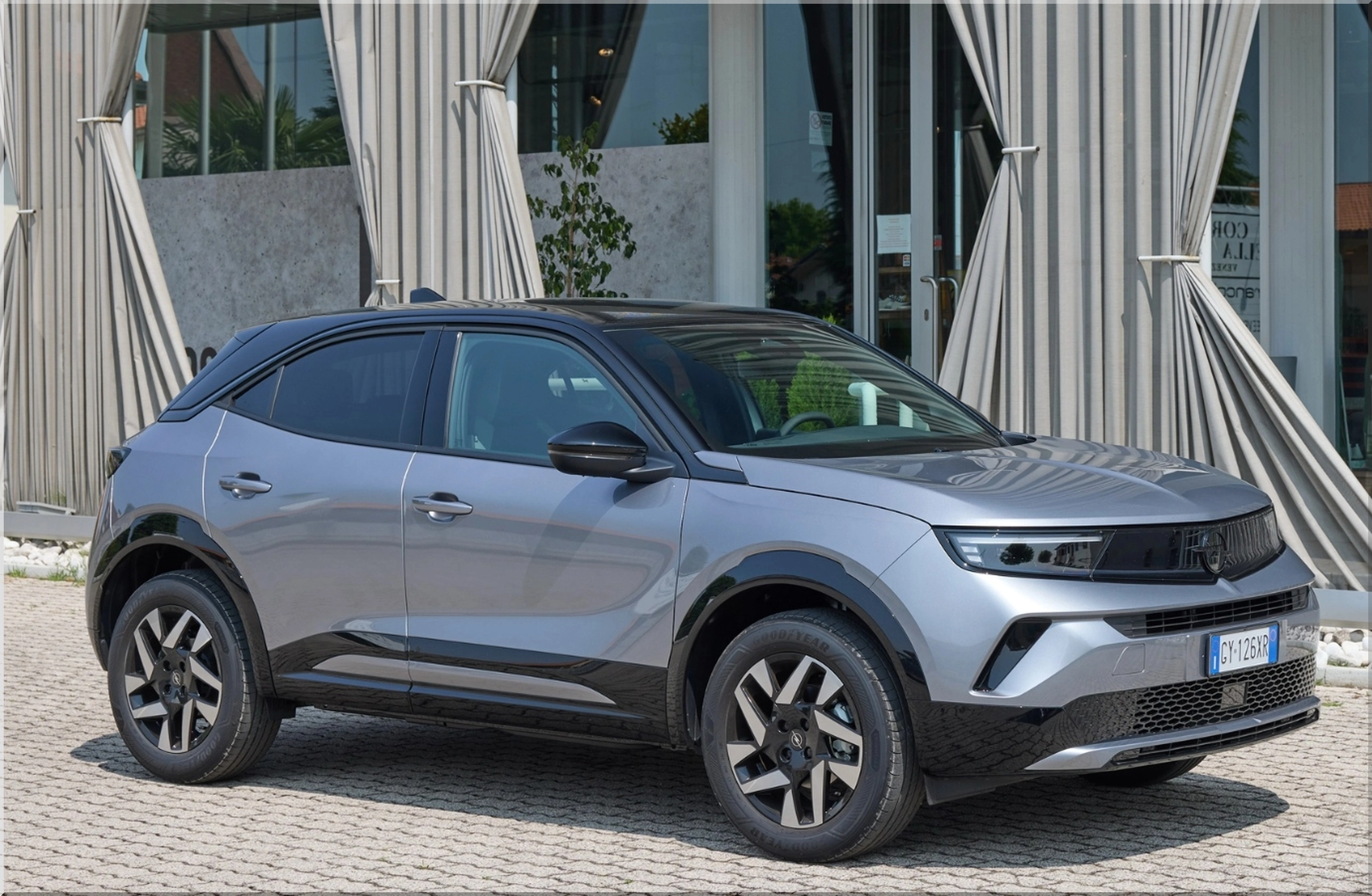
Why The Opel Mokka Still Works As A Compact SUV
The Mokka succeeds because Opel refuses to make it larger than its role. At 4.15 metres long, it gives buyers the visibility and stance of a crossover without the parking penalty of a family SUV. That decision also protects efficiency because frontal area, tyre size, and mass all affect fuel use and electric range.
Specifically, the Opel Mokka splits its buyer base across three drivetrains: petrol, 48-volt hybrid, and full electric. A customer with no home charger can pick the hybrid, a buyer chasing low entry cost can choose petrol, and a commuter with predictable routes can pick the EV.
Opel Mokka Powertrain Specs And Pricing
| Version | Core Hardware | Output | Efficiency Data | Starting Price |
|---|---|---|---|---|
| Mokka 1.2 petrol | 1,199 cc three-cylinder turbo, 6-speed manual or 8-speed auto | Up to 100 kW, 136 PS, 230 Nm | 5.7-6.2 l/100 km WLTP range in German data | From EUR 30,999 NL, EUR 26,740 DE |
| Mokka Hybrid | 1.2 turbo petrol, 48-volt system, electric motor, 6-speed e-DCT | 100 kW petrol engine plus 21 kW electric assist | 4.8-4.9 l/100 km UK data, 110 g/km CO2 German data | From EUR 32,999 NL, EUR 29,740 DE |
| Mokka Electric | 54 kWh battery, front motor, single-speed drive | 115 kW, 156 PS, 260 Nm | 15.4-15.6 kWh/100 km and up to 403 km WLTP | From EUR 34,999 NL, EUR 36,740 DE |
By comparison, the hybrid gives the quickest combustion-side sprint data, at 8.2 seconds from 0-60 mph. The manual petrol and automatic petrol both post 8.9 seconds, though the automatic trades a little pace for the convenience of an 8-speed gearbox and paddle control. The electric version prioritizes instant response and quiet operation rather than top-speed theatre.
From an expert perspective, the hybrid transmission choice makes sense. Opel packages the electric motor inside an electrified dual-clutch transmission, so the system can add torque at low road speed and let the petrol engine work in its efficient zones. In stop-start use, that layout saves fuel because the car can glide, recover energy, and move at low speed with electric support.
Electric Range: Why 54 kWh Hits The Right Size
A 54 kWh battery may sound modest when larger electric SUVs now advertise far bigger packs. In the Mokka, that size brings a clear engineering payoff. Opel keeps weight to roughly 1,615 kg in the press data, while the underfloor pack lowers the centre of gravity and protects cabin layout.
Consequently, the Mokka Electric 403 km range figure tells only part of the story. The pack size also controls cost, tyre wear, charging time, and energy use. A larger battery would add money and mass, and those two numbers hit a compact SUV hard.
Pro-Tip: Pick The EV If Your Charging Pattern Fits
Choose the Opel Mokka Electric when at least one of these conditions applies:
- You can charge at home or at work.
- Your weekday driving usually stays under 150 km.
- You value low cabin noise and instant low-speed response.
- Your tax, parking, or company-car rules favor zero local-emission driving.
- You plan to keep the car long enough to benefit from lower energy and service costs.
Dimensions, Cargo Space, And Packaging
| Measurement | Mokka Petrol/Hybrid | Mokka Electric | Why It Helps |
|---|---|---|---|
| Length | 4,150 mm / 163.38 in | 4,150 mm / 163.38 in | City parking stays simple |
| Width with mirrors | 1,987 mm / 78.22 in | 1,987 mm / 78.22 in | Lane placement remains manageable |
| Height | 1,534 mm / 60.39 in | 1,534 mm / 60.39 in | Crossover seating without bulk |
| Wheelbase | 2,557 mm / 100.67 in | 2,561 mm / 100.83 in | Stable stance for a short SUV |
| Cargo, seats up | 350 litres / 12.37 cu ft | 310 litres / 10.9 cu ft | Petrol and hybrid win on boot volume |
| Cargo, seats folded | 1,105 litres / 39.0 cu ft | 1,060 litres / 37.4 cu ft | EV loses 45 litres at maximum load |
| Load length behind rear seats | 667 mm / 26.3 in | 667 mm / 26.3 in | Same shopping-bag floor length |
| Load length seats folded | 1,418 mm / 55.8 in | 1,418 mm / 55.8 in | Same long-item usability |
The numbers reveal the Mokka's trade. The electric version gives up 40 litres of boot space with the rear seats up and 45 litres with them folded, but it keeps the same load length. That means the EV loses vertical or underfloor capacity rather than the basic floor footprint buyers use most.
In addition, official UK towing data gives petrol and hybrid models a braked towing limit of 1,200 kg, with unbraked limits ranging from 645 kg to 680 kg depending on drivetrain. Opel does not publish approach and departure angles in the reviewed official material, and that omission fits the vehicle's intent. The Mokka targets urban and suburban road use, not trail geometry.
Interior Tech: The 10-Inch Screen Pair Changes The Cabin
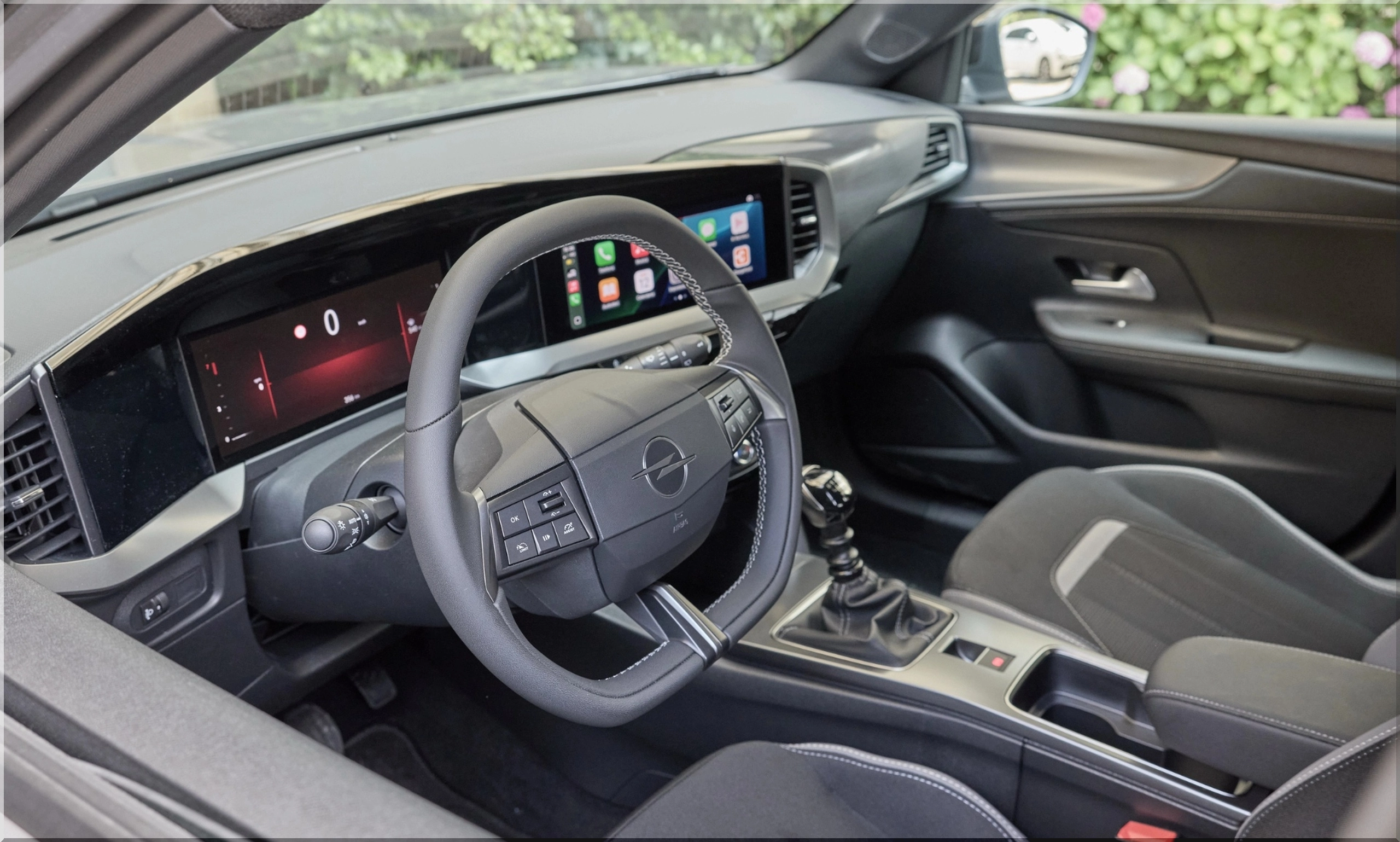
The 2025 Mokka's biggest cabin upgrade comes from the dual 10-inch screen setup. Opel fits a 10-inch digital driver display and a 10-inch central touchscreen as standard, then adds wireless smartphone connection, USB-C support, and available wireless charging. That turns the cabin into a cleaner interface without forcing buyers into upper trims for basic digital hardware.
Specifically, the infotainment system uses next-generation Snapdragon cockpit and connectivity platforms. That hardware supports better graphics, Wi-Fi, Bluetooth, 4G, profile recognition, and route tools for electric drivers. With Connected Navigation, the system can show predicted battery charge at arrival and plan charging stops from route and past driving data.
A 48-volt hybrid uses a small battery and electric motor to assist the petrol engine. It does not need a charging cable. The system recovers energy during braking, adds low-speed electric support, and cuts fuel use in city traffic.
Safety, Visibility, And Daily Use
The Mokka's safety and convenience package focuses on urban risk points. Opel's Dutch page lists standard autonomous emergency braking, a rear-view camera, Park Pilot, and more, while Stellantis press data calls out the optional 180-degree HD rear-view camera. Those features fit the car's short overhangs and city role.
Looking at the data, the Mokka's brakes also vary by drivetrain. Petrol models use 283 mm front ventilated discs and 249 mm rear drums in UK data, while the electric motor setup gets 302 mm front ventilated discs and 268 mm rear discs. The EV needs the larger hardware because its mass and regenerative braking calibration demand different friction-brake support.
Which Opel Mokka Should You Buy?
Choose the petrol Mokka when price and refuelling speed sit at the top of the list. It gives you the full body, the same high seating position, and the clean cockpit without asking you to pay for electric hardware. It also gives the strongest towing case in official UK data when paired with the right drivetrain.
Choose the Opel Mokka Hybrid when you drive a lot in town but do not want a plug. The 48-volt system attacks the weakest part of petrol efficiency: repeated launches, braking, and low-speed crawling. It also posts the best fuel-use figure among the combustion options, at 4.8-4.9 l/100 km in the UK data set.
Choose the Opel Mokka Electric when your route pattern and charging access make sense. The 403 km WLTP figure gives useful breathing room, and the 115 kW motor supplies instant torque without the vibration and gear changes of a small turbo engine. The Dutch price spread makes this version difficult to ignore because the electric Edition starts only EUR 2,000 above the Hybrid Edition.
Pro-Tip: Use Price Gaps, Not Sticker Prices Alone
Compare the Mokka by monthly total cost:
- Add electricity or fuel cost for your actual mileage.
- Add tax, insurance, and parking rules in your city.
- Check private lease and company-car terms.
- Compare boot space needs before choosing the EV.
- Test the infotainment system with your phone before signing.
Final Verdict: A Sharper Small SUV With Better Tech Discipline
The Opel Mokka wins by staying honest about its size. Opel did not stretch it into another oversized crossover or bury the useful upgrades under expensive trim gates. Instead, the brand tightened the design, upgraded the screens, simplified the range, and gave the Mokka Electric enough battery to serve real commuting without making the car heavy or overpriced.
From an expert perspective, the best version depends on charging access. The petrol model still makes sense for low-mileage buyers who want the cheapest entry point. The hybrid brings the best combustion efficiency for mixed driving. The electric version delivers the cleanest drive, the strongest low-speed feel, and the most persuasive future-proofing for owners who can charge easily.