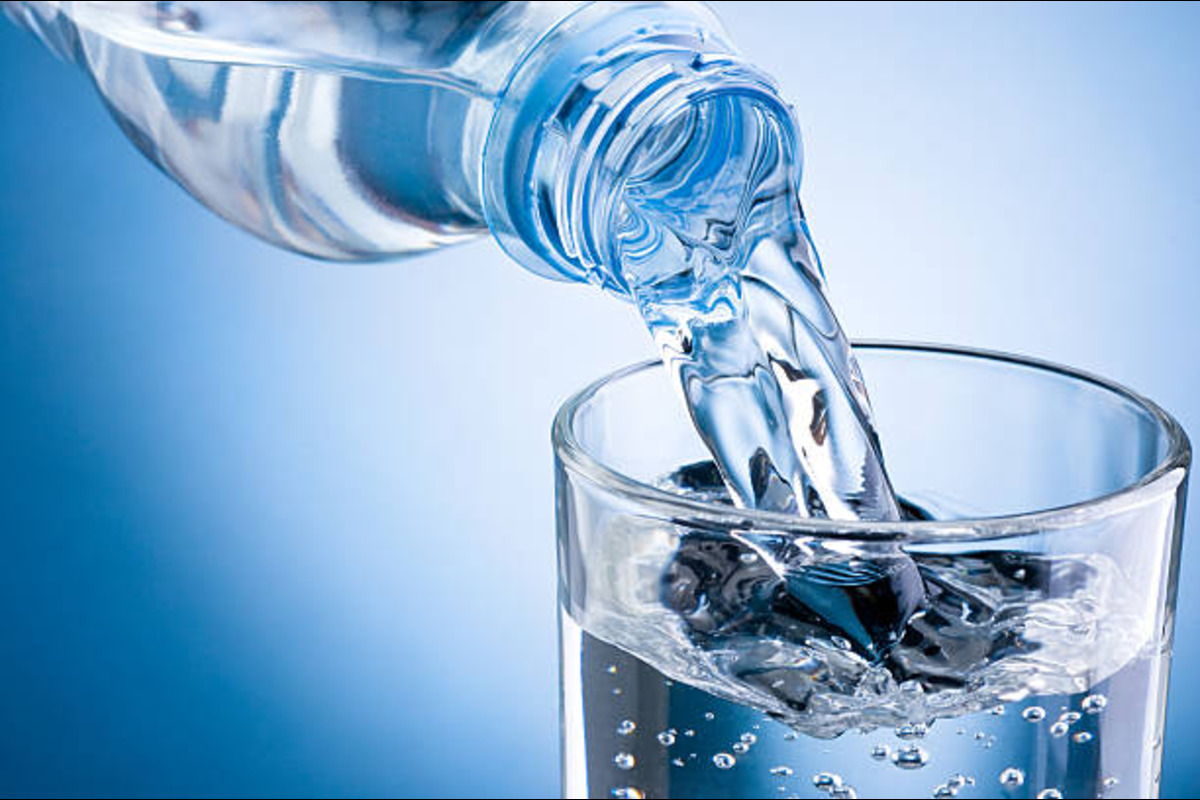

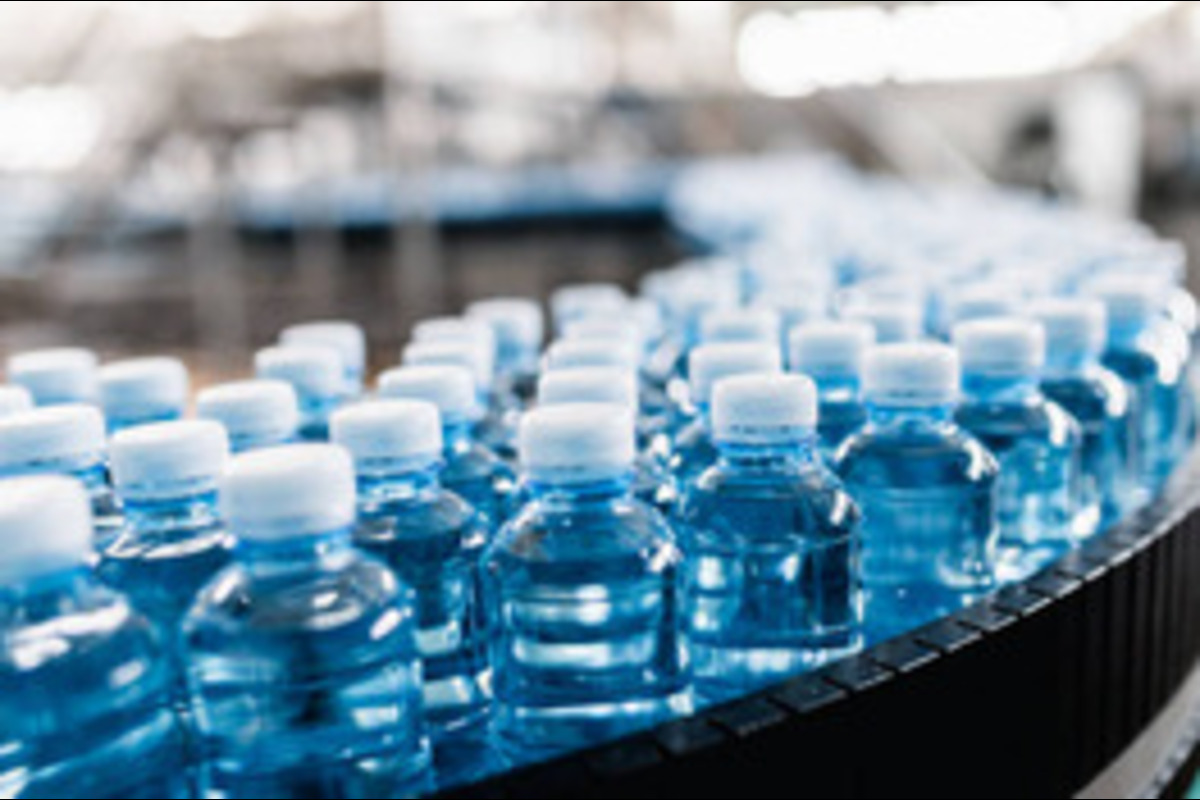
Bottled water has become an established part of Australia's beverage landscape, supported by demand for convenient hydration and growing consumer interest in healthier beverage choices. As consumers increasingly examine sugar, calorie, and ingredient content, water continues to occupy a strong position as an alternative to traditional soft drinks. At the same time, packaging sustainability is becoming an increasingly important consideration for producers and retailers.
According to Vynas Intelligence, Australia's bottled water sector was valued at $1.3 billion in 2025 and is projected to reach $1.49 billion by 2032, representing a 1.97% CAGR from 2026 to 2032. The measured pace of development reflects a mature category in which future opportunities are increasingly connected to product innovation and changing consumption preferences.
Health-Conscious Hydration Supports Demand
Health and wellness awareness is an important factor shaping bottled-water consumption in Australia. Unlike many carbonated beverages, conventional bottled water contains no added sugar and no calories, making it an attractive option for consumers seeking simpler hydration.
The Vynas Intelligence report identifies health-driven hydration as a key factor supporting category demand. The report also notes that flavoured bottled water can provide an alternative for consumers seeking greater taste variety without moving toward conventional sugar-containing soft drinks.
This positioning gives bottled water relevance beyond basic hydration. It can form part of everyday routines involving work, exercise, commuting, travel, and outdoor activities. Convenience therefore works alongside health considerations in supporting regular consumption.
Still Water Remains the Leading Format
Still bottled water remains the largest product category in Australia. Vynas Intelligence estimates that it accounted for approximately 35% of the sector in 2025.
Its position reflects several practical characteristics. Still water is straightforward, widely available, and suitable for a broad range of consumption occasions. It is also commonly sold in multipacks, which can make it convenient for households purchasing larger quantities.
The category's health positioning provides another advantage. Consumers looking to reduce sugar and calorie intake can choose still water without changing their basic hydration habits. This broad appeal helps explain why still water continues to provide the foundation for the category even as flavoured and functional formats develop.
Off-Trade Retail Drives Accessibility
Retail stores remain the primary distribution channel. According to Vynas Intelligence, off-trade channels account for approximately 85% of sales, supported by supermarkets, convenience stores, hypermarkets, local grocers, vending, and e-commerce.
Supermarkets are particularly important because they provide consumers with access to different brands, pack sizes, and price points. Household purchases can also be combined with regular grocery shopping, reinforcing bottled water's position as an everyday beverage.
E-commerce adds another dimension by making larger pack sizes easier to purchase and deliver. This can be particularly useful for households seeking convenience or buying bottled water in greater quantities.
The strength of off-trade distribution also increases the importance of retail pricing and promotions. Consumers can easily compare products, which creates pressure for suppliers to balance product differentiation with affordability.
Functional Water Expands Product Possibilities
Beyond conventional bottled water, functional products are creating additional opportunities for innovation. Vynas Intelligence identifies functional ingredients as an important trend, with products increasingly incorporating attributes associated with hydration, vitamins, electrolytes, digestive wellness, and other lifestyle needs.
This development reflects a broader movement toward beverages that combine refreshment with additional perceived benefits. Functional water can therefore appeal to consumers who want alternatives to traditional soft drinks while maintaining convenient, ready-to-drink formats.
However, functionality also introduces greater complexity. Product claims need to be supported appropriately, and formulations must balance taste, ingredient stability, nutritional considerations, and affordability. Clean-label expectations can further influence how consumers evaluate functional products.
Flavoured Water Provides an Alternative to Sugary Drinks
Flavoured bottled water is another area of product development. It can provide consumers with greater variety while retaining the basic characteristics associated with water-based hydration.
The opportunity is particularly relevant among consumers who may find plain water less appealing but still want to reduce their intake of sugar-containing beverages. Fruit-inspired flavours and other formulations can provide sensory differentiation without relying on the traditional soft-drink model.
The challenge for producers is maintaining a balance between flavour, ingredient transparency, and health positioning. Consumers increasingly examine labels, which makes formulation choices and communication important elements of product development.
Packaging Sustainability Remains a Major Challenge
Packaging represents one of the most significant challenges facing bottled water in Australia. Because the category relies heavily on beverage containers, environmental concerns surrounding single-use plastics can directly influence consumer perceptions and regulatory expectations.
The Australian Government's circular economy for packaging initiative states that Australia is moving toward packaging that can be recovered, reused, recycled, and safely reprocessed.
The government also reports that 86% of packaging placed on the Australian market in 2023-24 had good recyclability, while 41% was disposed of in landfill. These figures illustrate why packaging design and recovery remain important policy issues.
For bottled-water producers, this creates pressure to improve material efficiency, recyclability, recycled content, and end-of-life recovery without compromising product protection or affordability.
Container Deposit Schemes Strengthen Recycling
Australia's container deposit schemes provide an established mechanism for recovering beverage containers across most states and territories, giving consumers a financial incentive to return eligible drink containers for recycling.
These systems can improve the quality of recovered materials because returned containers are generally collected separately from other household waste. The recovered material can then be processed for use in new products.
For bottled-water suppliers, participation in a functioning recovery system can support broader circular-economy objectives. Packaging design, labelling, collection, and recycling therefore become increasingly interconnected parts of the product lifecycle.
Premiumisation Creates New Growth Opportunities
The development of flavoured and functional formats provides an opportunity to move beyond conventional bottled water. Vynas Intelligence identifies premiumisation as an area of potential growth as consumers show greater willingness to consider products offering additional perceived value.
This does not necessarily mean that consumers will move away from standard water products. Instead, the category can become more segmented, with basic still water continuing to serve everyday hydration while functional, flavoured, and premium products target specific preferences and occasions.
Such differentiation may help suppliers compete in a mature environment where distribution is already extensive and consumers have numerous product choices.
Balancing Convenience, Wellness and Sustainability
Australia's bottled water sector is increasingly shaped by the intersection of three consumer priorities: convenient hydration, healthier beverage choices, and greater environmental responsibility.
Still water remains the leading format, while flavoured and functional varieties broaden the category's appeal. Off-trade retail provides the primary route to consumers, supported by supermarket purchasing, convenience outlets, and expanding e-commerce activity.
At the same time, packaging sustainability is becoming a structural consideration rather than a secondary issue. Australia's evolving Circular Economy Framework and established container deposit systems place greater emphasis on recyclable and recoverable packaging.
Overall, the category's development is likely to depend on how effectively producers combine everyday convenience with product innovation and responsible packaging practices. Rather than relying solely on increased consumption, future opportunities are increasingly connected to providing differentiated hydration products that fit evolving health and environmental expectations.