
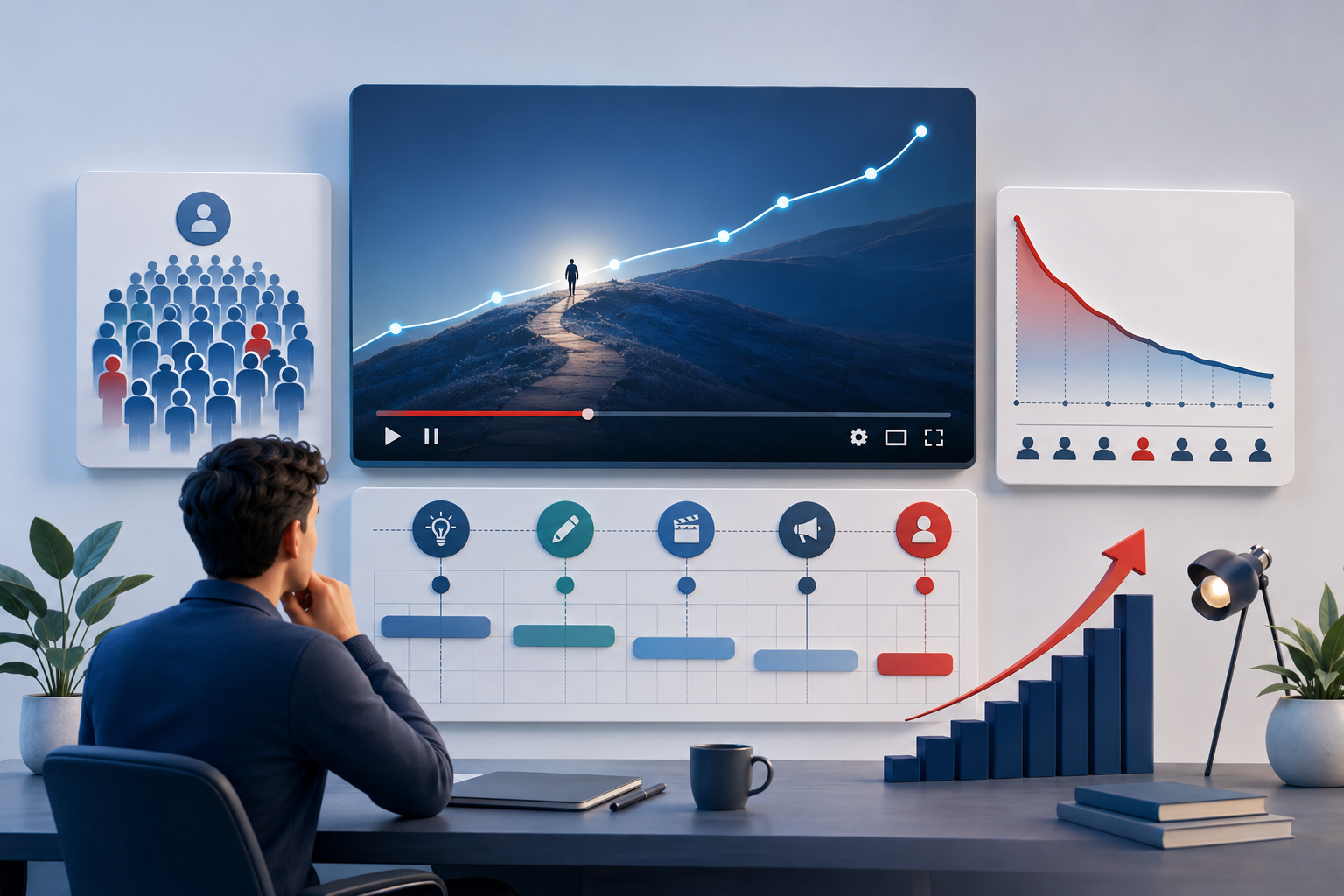
Publishing a strong video is only the beginning of a YouTube campaign. The next challenge is deciding how attention should arrive, how long viewers should remain engaged, and which metrics will reveal whether the campaign is producing useful momentum. A good plan treats distribution speed and audience retention as separate decisions, then connects them to the video's purpose, release schedule, and existing traffic.
Separate Delivery Speed From Viewer Quality
Creators often focus on the final view count, but the route taken to reach that number matters. A sudden spike may suit a time-sensitive announcement, while an evergreen tutorial, product demonstration, or music video may benefit from a steadier pattern. The correct choice depends on the campaign window rather than a universal formula.
A gradual service such as drip-feed YouTube views is designed around paced delivery. That makes the approach easier to coordinate with social posts, email promotion, community outreach, and other activities spread across several days. The practical advantage is not a guaranteed ranking result; it is the ability to build a more orderly distribution schedule and compare performance across defined periods.
Retention is a different variable. It asks whether viewers stay with the video long enough to understand the message. Campaign planners considering high-retention YouTube views should therefore evaluate the content itself before adding distribution. A compelling opening, clear structure, accurate title, and relevant thumbnail remain essential. Promotional traffic cannot repair a video that loses its audience in the first few seconds.
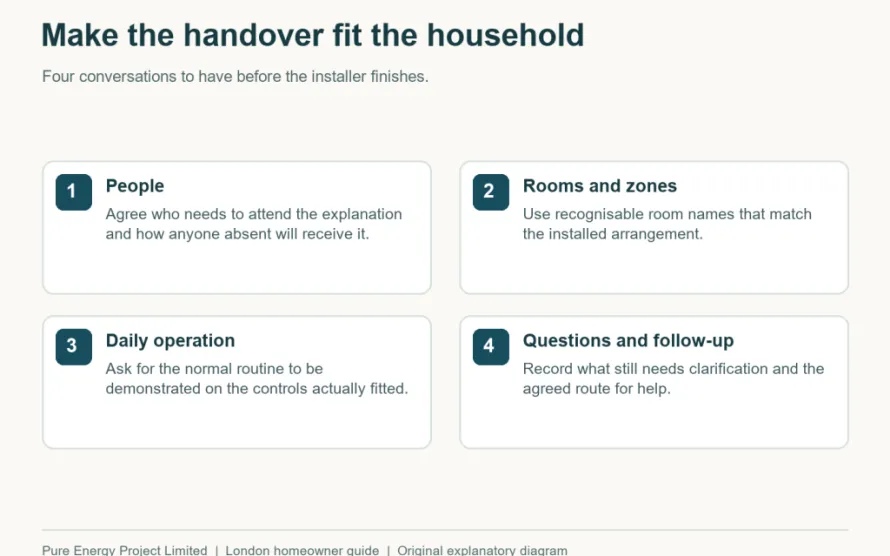
Build the Campaign in Four Layers
1. Define the Primary Outcome
Start with one measurable goal. For a brand video, the objective might be qualified visits to a landing page. For a tutorial, it could be average percentage viewed or the number of viewers who continue to a related video. For a music release, the priority may be repeat discovery across several days. Selecting one primary outcome prevents the campaign from becoming a collection of unrelated numbers.
2. Choose a Realistic Delivery Window
Map the campaign to the natural life of the content. News and announcements have short windows. Reviews, explainers, and educational videos can remain relevant for months. A steady campaign usually works best when its duration matches the time during which supporting promotion will also be active. If all other marketing ends after two days, extending paid distribution for several weeks may create data that is difficult to interpret.
3. Prepare the Video for Retention
The first thirty seconds should confirm the promise made by the title and thumbnail. Remove long introductions, explain the benefit early, and make transitions visible. For longer videos, chapters and on-screen signposts help viewers understand where the presentation is going. Retention begins with editorial discipline, not with the traffic source.
4. Establish a Baseline Before Promotion
Record the video's current impressions, click-through rate, average view duration, traffic sources, and returning-viewer data. Without a baseline, a creator may see higher totals without knowing what actually changed. A simple comparison between the seven days before and after a campaign is often more useful than watching the public counter alone.
Use Analytics to Find the Weakest Link
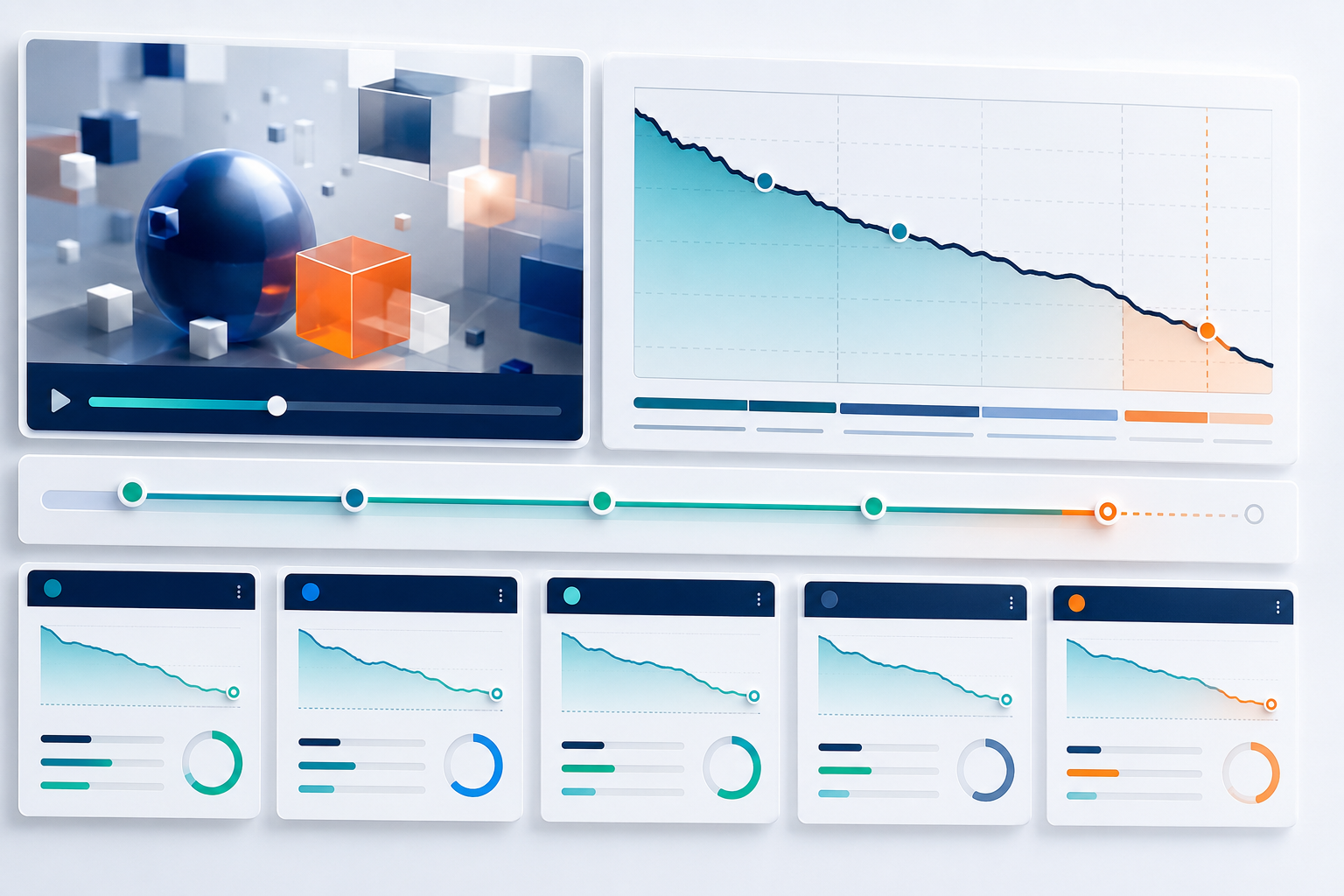
After delivery begins, review the retention graph rather than relying on a single average. A sharp early drop usually points to a mismatch between the promise and the opening. A decline around one specific section may reveal repetition, unclear explanation, or an unnecessary digression. A stable curve with weak click-through rate suggests that the content satisfies viewers once they arrive, but the packaging needs work.
Traffic-source comparisons are also important. Search viewers may behave differently from subscribers, external referrals, or campaign traffic. These differences are not automatically good or bad; they show that each audience arrived with a different level of intent. Segmenting the data helps prevent false conclusions based on blended averages.
A Practical Measurement Schedule
- Before launch: save the baseline and confirm tracking links.
- After 24 hours: check delivery, technical issues, and the opening retention curve.
- After three to seven days: compare traffic sources and meaningful actions.
- After the campaign: document what should be repeated, changed, or stopped.
Third-party promotion should be one controlled input inside a broader strategy. Creators should review YouTube's current rules, avoid guarantees about ranking or monetization, and never treat purchased distribution as a substitute for useful content or genuine community building. The most informative campaigns combine careful pacing, strong creative work, and a measurement plan established before the first additional view arrives.