

A founder's LinkedIn profile fails in a predictable way. It starts well, then every post follows the same skeleton, closes with the same line and drifts away from what the audience cares about. This article takes the failure modes recorded in the LinkedIn content strategy playbook and explains the specific limits that stop each one, so you can apply them to your own posting.
The three things the playbook says have to be true
The playbook is built on a simple claim: a founder's LinkedIn works when it sounds like the founder, talks about what buyers are already discussing, and feeds the people who engage into the sales system. The goal for a B2B founder is conversations with buyers, not reach for its own sake. Everything below is a control that protects one of those three things.
Control one: lock the positioning in a file
The first step is to put the pillars, with weights, the voice, the audience and the rules the posts must follow into a single file, with an append-only decision log of every change the founder asks for. This is useful for a human team too. Without a written record, each new draft reopens settled questions about tone and topic.
Control two: measure reference posts, then set a length band
Recent posts from chosen reference profiles are split and measured for hooks, closers, length and structure. Length is then calibrated to the audience, not to whichever reference profile writes the longest posts. The playbook gives a reason: reference medians in one study ranged from 140 to 2,689 characters, so copying the wrong one produces posts that are far too long or too short for the readers.
A first batch of five posts, in the playbook's own example, all landed between 1,276 and 1,492 characters, inside the band set for that founder's audience. The rule for going over is concrete: cut anything more than 20 percent over the band.
Control three: gate the topic
A topic has to be in active discussion in the last 30 days, with the source noted. For a small audience, the current vocabulary comes first and depth comes later. The playbook records a mistake here: correct, technical posts underperformed because they were metric deep-dives aimed at a small audience. The fix was to lead with the topic people were already discussing.
Control four: cap the lists and rotate the closers
Two of the listed mistakes are about repetition. In one, every post in a batch was a numbered list, because the drafts kept falling back to one skeleton. The fix is to cap lists at 40 percent of a batch and require each post to differ on at least two of structure, angle and visual. In the other, post after post closed with the same "DM me" line. The fix is to rotate call-to-action shapes and cap the soft direct-message close at one post in ten.
Two smaller mistakes are mechanical. Bullets that wrapped to two or three lines on phones came from previewing drafts on desktop, so the limit became about 35 characters per bullet. And copy that read as machine-written came from dashes and emoji habits, so em dashes and emoji are banned in favour of plain bullets.
Control five: be honest about what you promise
One mistake on the list is a post that promised a giveaway that did not exist, because nothing checked that the asset was real. The fix is to mark, in every draft, whether the promised asset exists. This is a small habit with a large trust cost when skipped.
Control six: treat engagers as a filter, not a list
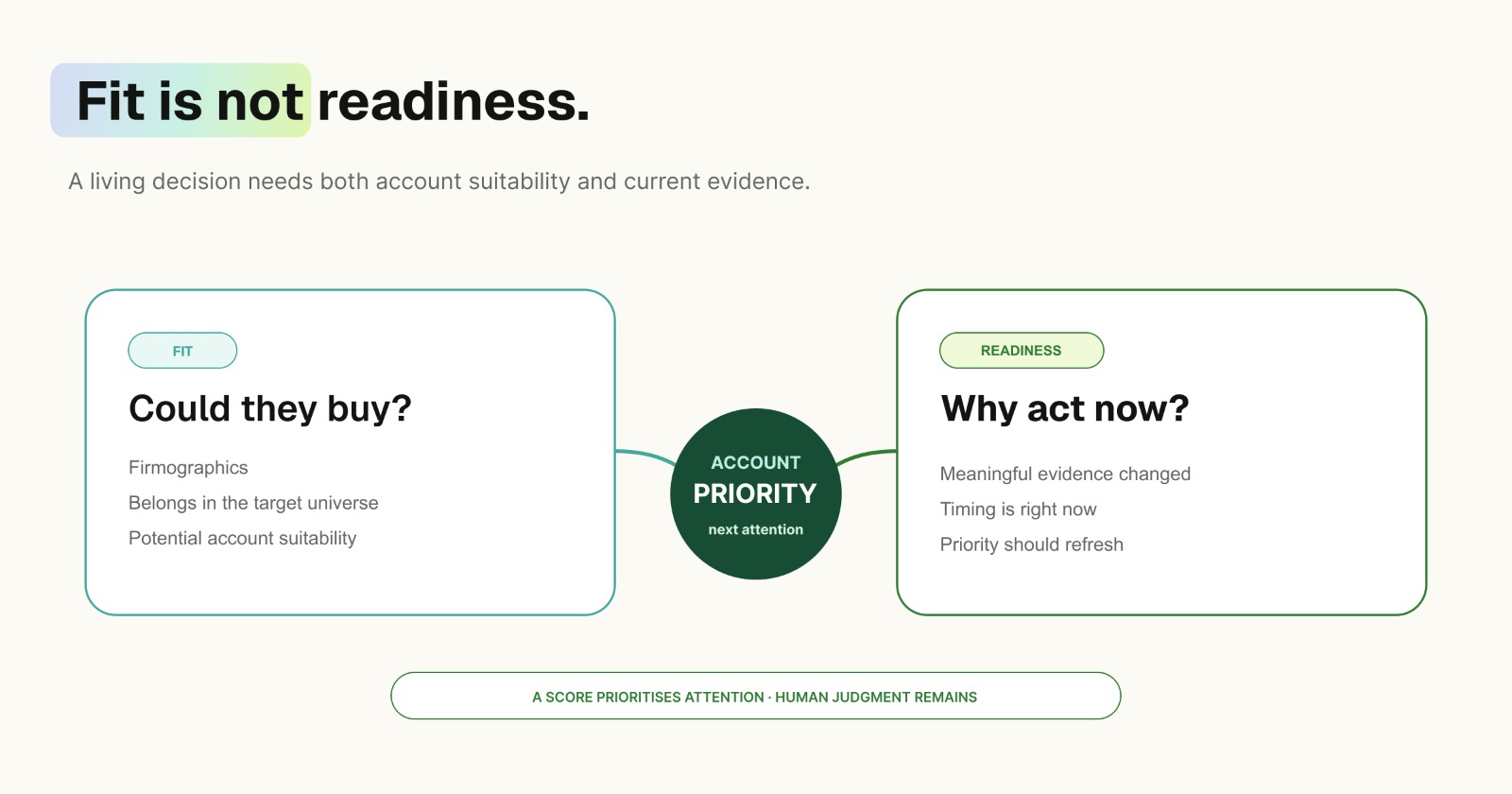
Engagement crowds are mostly not buyers. The playbook's answer is to capture commenters and engagers as signals, rank commenters above likers, and filter by company fit before anyone is contacted. Comments on other people's posts follow rules too: one to three sentences, one specific line picked out, and a real question at the end, with no invented experiences.
What the playbook measured
The results quoted are from the company's own profiles. A co-founder's last 47 posts drew 11,831 reactions and 2,513 comments. The five lead-magnet posts in that set averaged 150.2 comments against 41.95 for the other 42. Over 90 days, the content-led system on those names produced 159 connections from 425 requests and 76 replies from 208 messages. These are measurements of one set of profiles, and the playbook does not present them as a promise.
A weekly check you can run yourself
- Count the numbered lists in the last ten posts. If it is more than four, change the next batch.
- Read the last five closers. If three match, rotate.
- Check each draft's length against a band you chose for your audience, not a reference's.
- Confirm the topic was being discussed in the last 30 days, and write down where.
- Before outreach to anyone who engaged, check their company fit.
None of these needs special software. They need a written rule and the habit of counting.
Jainendra Ojha, Founder and CEO, OneGTMLab