
Taxi days with a baby can feel simple until the car arrives. Your Nuna baby car seat must travel easily, install correctly, and fit the vehicle before the trip begins.
Choose portability for easier city travel
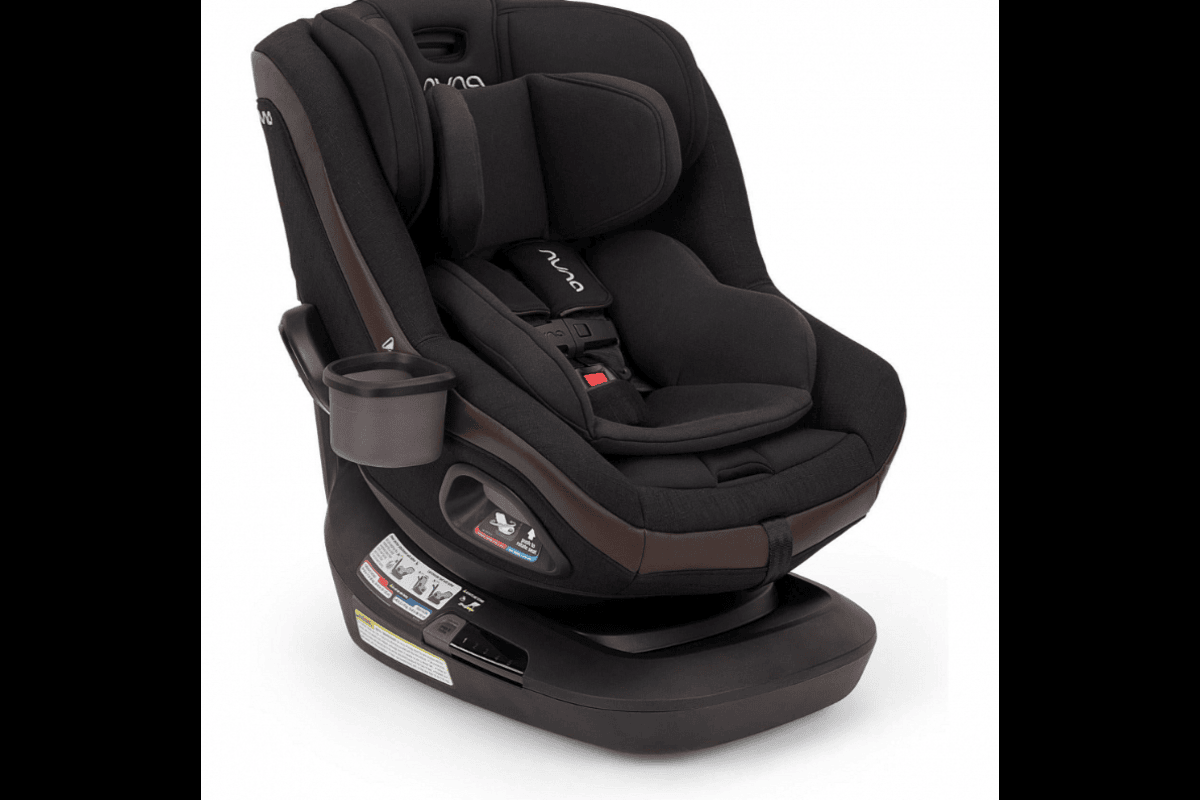
If you regularly use taxis or rideshares, a lightweight infant seat can make each transfer easier. The Nuna PIPA urbn weighs about seven pounds, excluding its canopy and insert, and needs no separate base.
Understand how your seat installs
Not every Nuna infant seat installs the same way. Some PIPA models can be installed with the seat belt without the base, while the PIPA urbn has built-in lower connectors and also supports belt installation.
Before your first ride, read the exact manual for your model. Learn where the belt passes, how the seat should sit, and which indicators or connectors confirm a correct installation.
Check the vehicle before you leave
A quick vehicle check can prevent a stressful curbside setup. For the PIPA urbn, Nuna advises checking that lower anchors are accessible when using its integrated connectors and recommends test-fitting before purchase.
Vehicle compatibility matters because seat shapes, anchor locations, belts, and seating positions vary. If you travel often, keep your car seat fit guide handy and check the vehicle whenever the model or installation method changes.
Make the rear seat your safety routine
Once the vehicle arrives, choose an appropriate rear seating position and park safely before installing the seat. Keep your attention on the installation rather than rushing because the driver is waiting.
Your car seat should sit at the correct angle and remain secure after installation. Follow the manual closely, tighten the installation as directed, and confirm your baby is properly harnessed before moving.
Plan around rideshare surprises
Rideshares can bring a different vehicle every time, so build a small safety routine. Before booking, consider the car type, seating space, and whether you can install your seat as required.
When the vehicle arrives, take a moment to check the seat and installation. A few extra seconds at the curb are far easier than discovering a compatibility problem after the ride starts.
Pair portability with a practical stroller
A portable car seat works best when the rest of your nursery-to-street setup feels equally considered. A compatible stroller can reduce lifting, simplify transfers, and give you one smooth system.
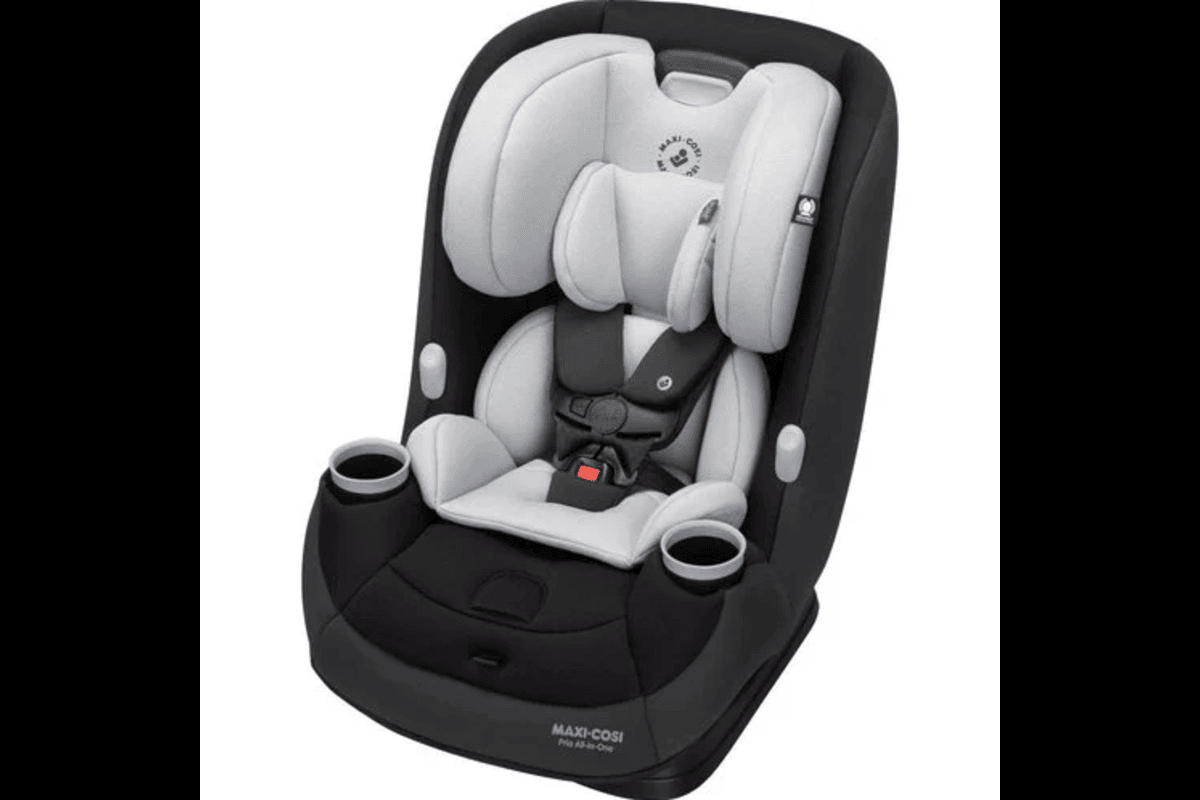
If you are comparing travel systems, a Maxi Cosi car seat stroller may also appear in your search. Compare the full setup, including weight, fold, car-seat compatibility, and how easily you move through daily spaces.
Build a travel-ready setup at home
Your nursery furniture can support this routine too. Keep the car seat, stroller, diaper bag, and travel essentials in one calm, easy-to-reach area near your main entry door for quick departures.
Use the manual as your final guide
Online advice can help you prepare, but your specific car seat manual should control the installation. Product versions can differ, and a general tip may not apply to your model.
Nuna provides manuals and fit guides for its products. Check the instructions before travel, especially if you change vehicles, use a different installation method, or move between regions with different standards.
Keep your system simple and repeatable
The easiest travel routine is one you can repeat without guessing. Know your seat, know its installation options, and know what your usual vehicles can support before you need to leave.
That preparation gives you more time to focus on your child every day. Premium baby gear should make daily life feel considered, and a thoughtful travel setup can do exactly that.
Conclusion: prepare before the ride arrives
Using a Nuna baby car seat in taxis and rideshares becomes easier when portability, correct installation, and vehicle compatibility guide your choices. Check your model, prepare your gear, and verify the vehicle before every trip.