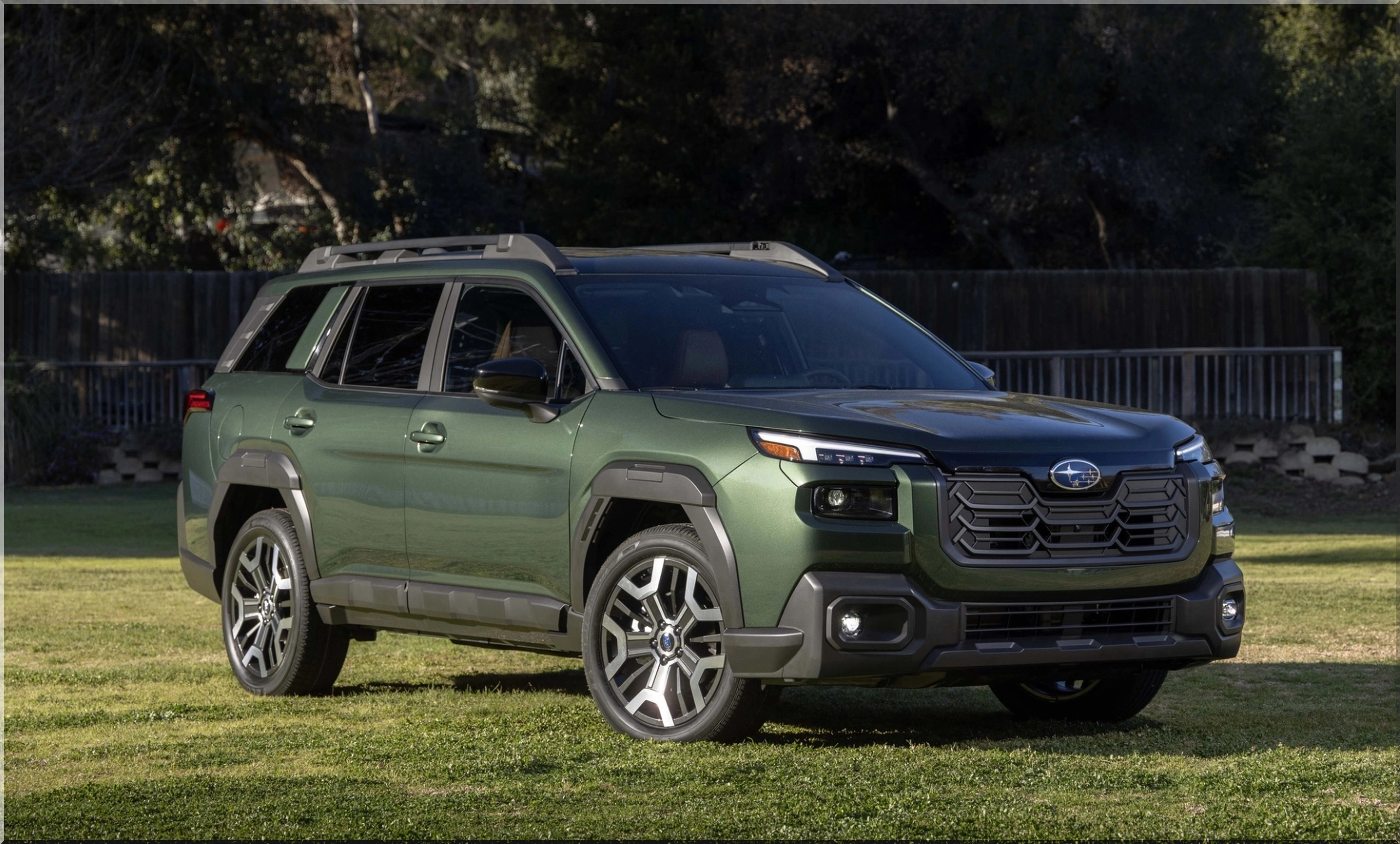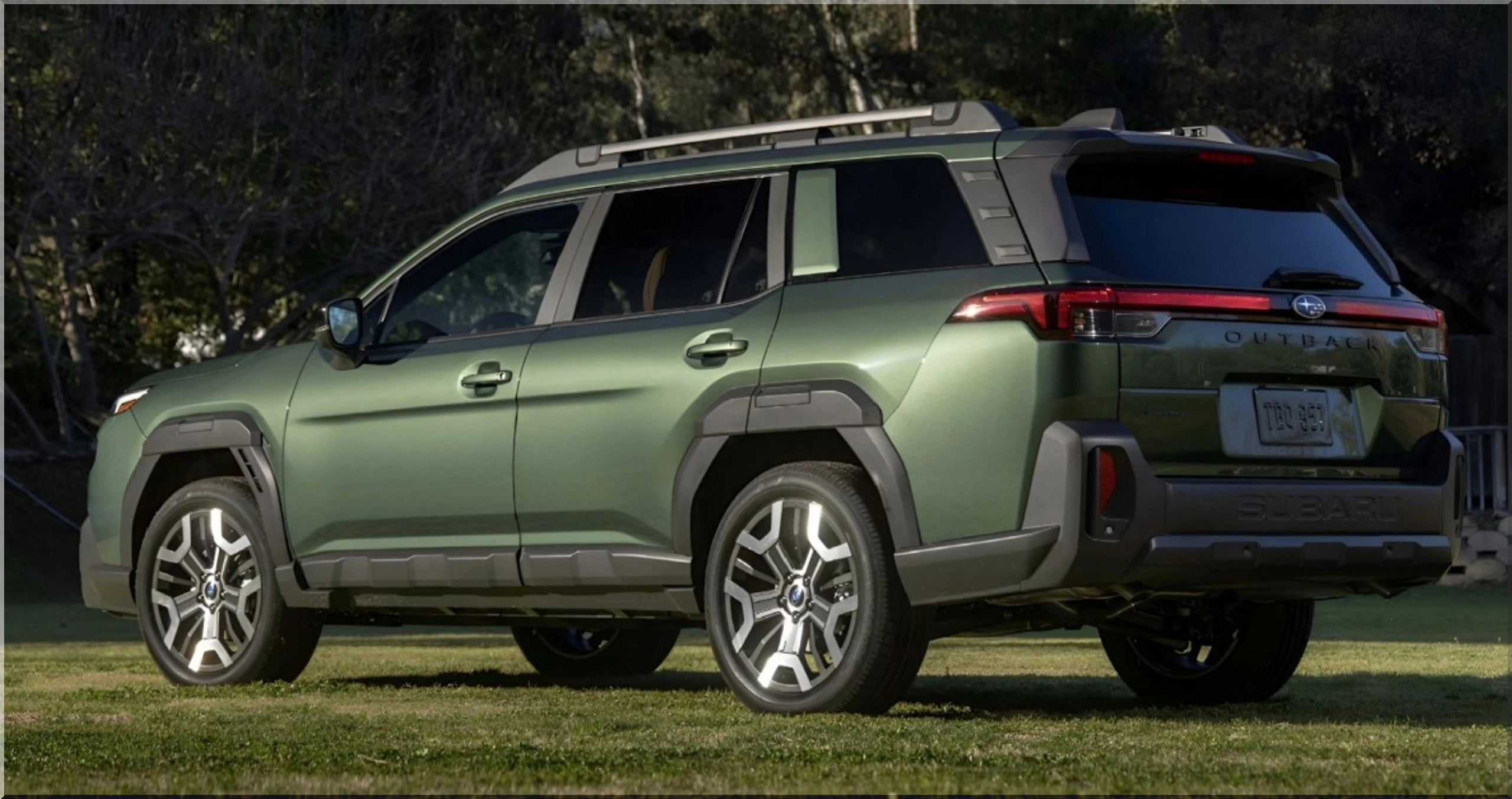

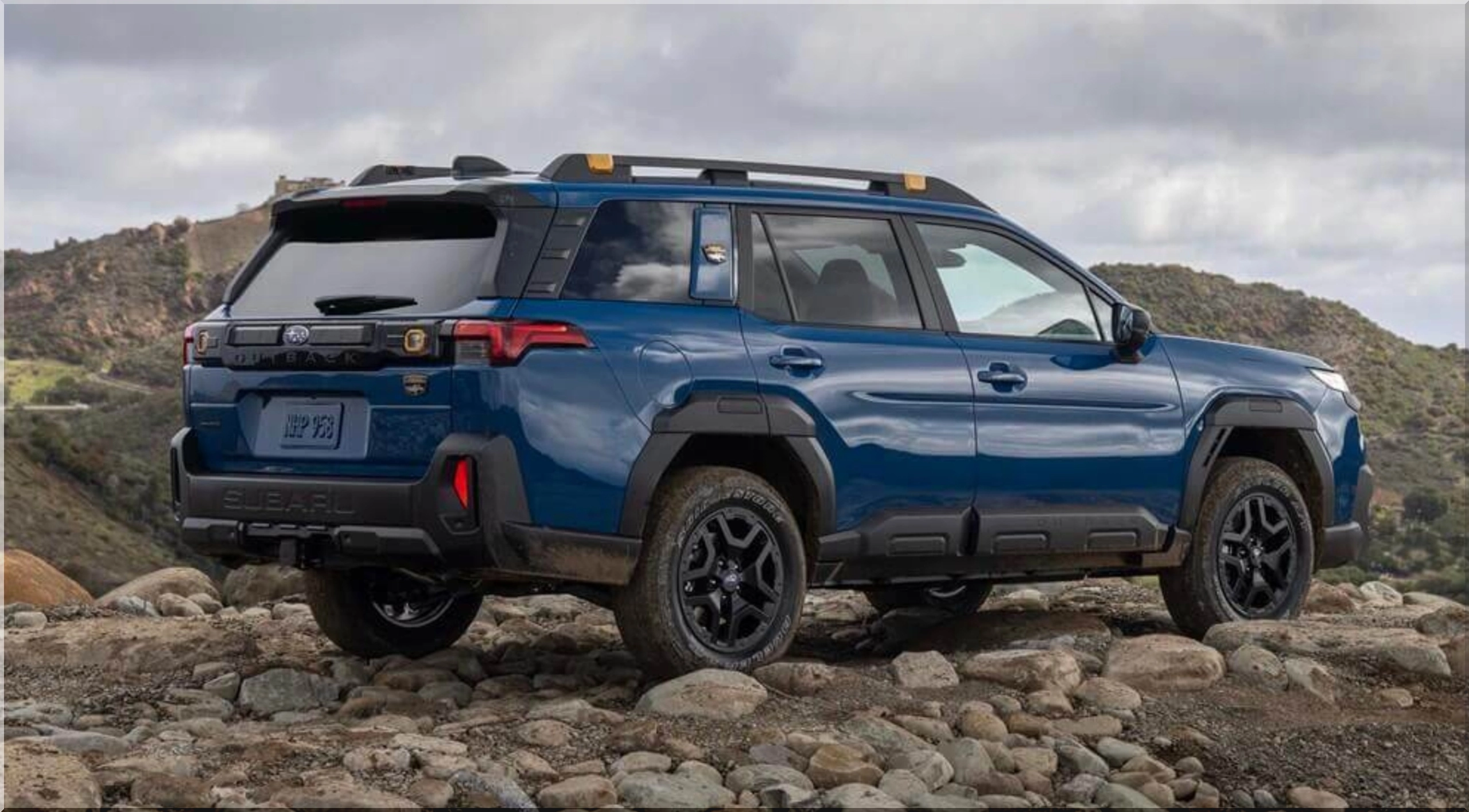
The 2026 Subaru Outback arrives with a tougher SUV shape, a higher base price, and a clearer split between daily-driver trims and trail-focused versions. Subaru also killed the old bargain-basement entry point, which means shoppers now start at Premium rather than a stripped base model. That move changes the buying math.
Image
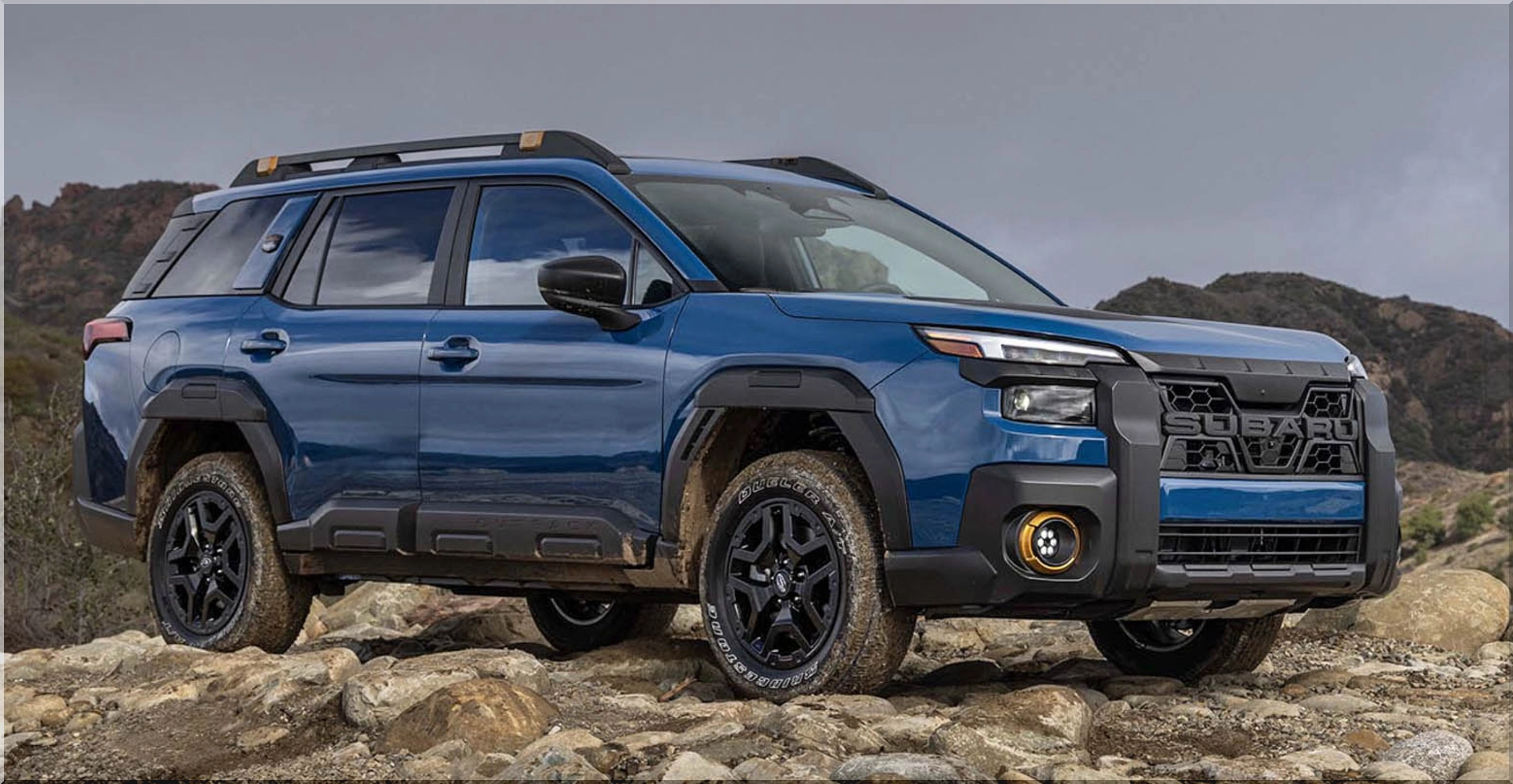
The central question looks simple: 2026 Subaru Outback vs XT vs Wilderness: which trim should you buy? The answer depends on how often you need turbo power, how much dirt you actually drive on, and how much cabin comfort you expect from a near-$50,000 family SUV.
From an expert perspective, the 2026 Subaru Outback Limited XT gives the strongest mix of power, towing, comfort, and price. The 2026 Subaru Outback Wilderness earns its money only when you need real trail hardware, extra clearance, all-terrain tires, and off-road calibration. The standard 2.5-liter Outback still fits drivers who value lower fuel costs over acceleration.
2026 Subaru Outback Pricing and Trim Lineup
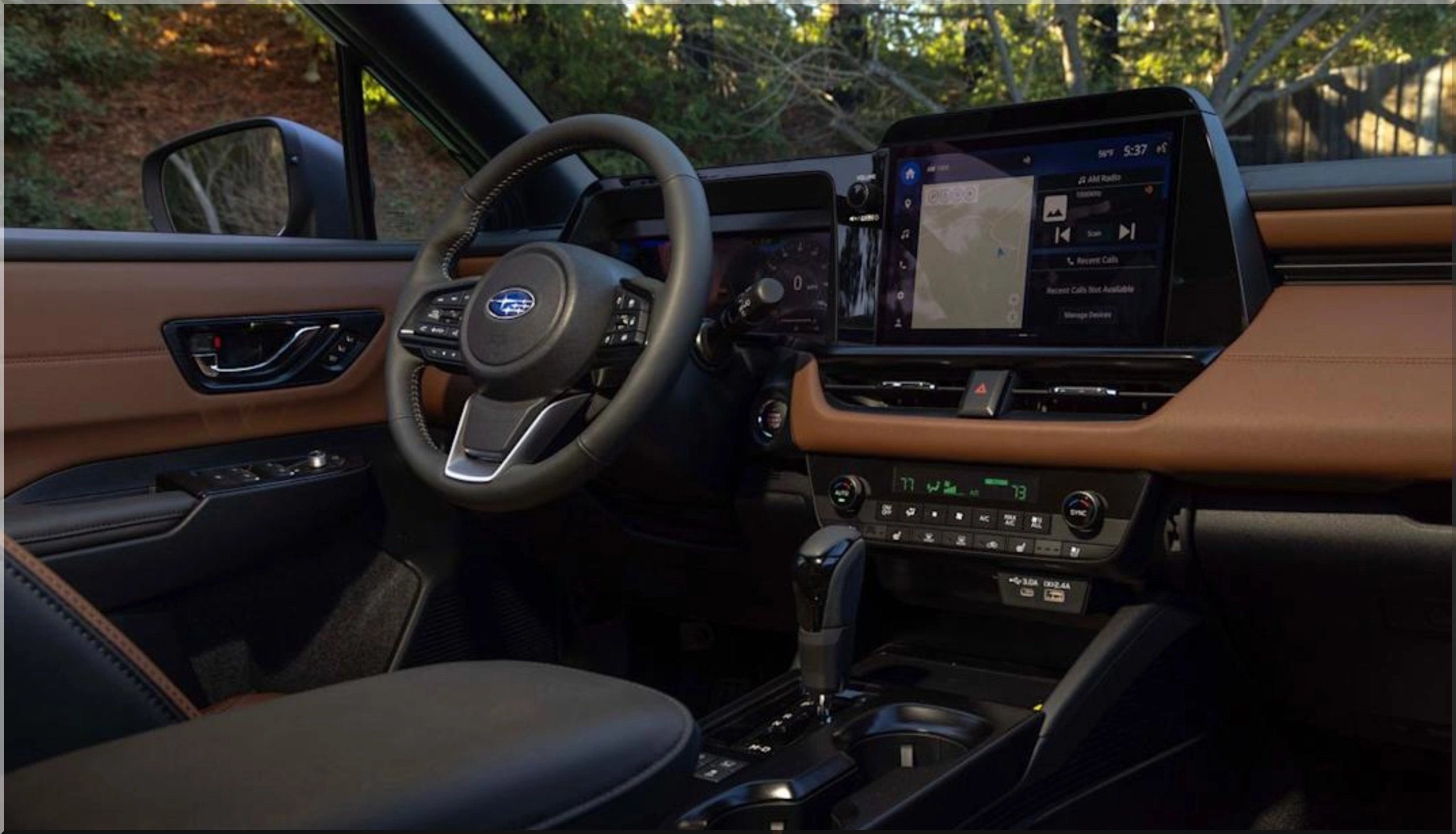
Subaru offers six trims for the seventh-generation Outback: Premium, Limited, Touring, Limited XT, Touring XT, and Wilderness. Every trim uses standard all-wheel drive, a Lineartronic CVT, and a redesigned interior with a 12.1-inch infotainment screen plus a 12.3-inch digital instrument cluster.
Looking at the data, Subaru moved the Outback upmarket. The Premium trim starts at $34,995 before destination, while the Touring XT reaches $47,995 before destination. Add the $1,450 destination charge, and the window runs from $36,445 to $49,445.
| 2026 Subaru Outback Trim | Engine | MSRP | Price With Destination | Best Buyer |
|---|---|---|---|---|
| Premium | 2.5-liter flat-four | $34,995 | $36,445 | Budget-focused AWD buyers |
| Limited | 2.5-liter flat-four | $41,715 | $43,165 | Comfort buyers who do not need turbo power |
| Touring | 2.5-liter flat-four | $45,395 | $46,845 | Luxury-focused efficiency buyers |
| Limited XT | 2.4-liter turbo flat-four | $44,365 | $45,815 | Best value for power and comfort |
| Wilderness | 2.4-liter turbo flat-four | $44,995 | $46,445 | Trail drivers and overlanding fans |
| Touring XT | 2.4-liter turbo flat-four | $47,995 | $49,445 | Buyers who want the most loaded turbo Outback |
The Limited XT sits in the sweet spot because it costs only $630 less than Wilderness before destination, yet it uses the same 260-hp turbo engine and adds a road-biased luxury package. By comparison, the Wilderness spends its money on off-road hardware rather than premium cabin polish.
Engine Comparison: 2.5-Liter vs 2.4-Liter Turbo
The standard 2026 Subaru Outback uses a revised 2.5-liter direct-injection flat-four with 180 horsepower and 178 lb-ft of torque. It suits commuting, snowbelt driving, and relaxed highway trips. It does not suit impatient merging, mountain passes with passengers, or heavier towing.
The Outback XT and Outback Wilderness use a 2.4-liter turbocharged flat-four with 260 horsepower and 277 lb-ft of torque. Specifically, the turbo engine delivers peak torque from 2,000 to 4,800 rpm, so it pulls harder across the normal driving range rather than waiting for high revs. That wide torque band makes the XT trims feel more confident with cargo, roof gear, and trailer weight.
| Specification | 2.5-Liter Outback | 2.4-Liter Turbo XT/Wilderness |
|---|---|---|
| Displacement | 2,498 cc | 2,387 cc |
| Horsepower | 180 hp at 5,800 rpm | 260 hp at 5,600 rpm |
| Torque | 178 lb-ft at 3,700 rpm | 277 lb-ft from 2,000-4,800 rpm |
| Transmission | Lineartronic CVT | High-torque Lineartronic CVT |
| Drivetrain | Symmetrical AWD | Symmetrical AWD |
| Max towing | Up to 2,700 lb | Up to 3,500 lb |
| Best use case | Efficiency and daily use | Passing power, towing, mountains |
The torque curve tells the real story. The turbo engine gives the Outback nearly 56 percent more torque than the 2.5-liter engine, and it delivers that force much earlier. Consequently, the 2026 Subaru Outback XT feels less strained in exactly the situations where family SUVs work hardest.
Why Subaru Uses a CVT Here
Subaru pairs both engines with a CVT because the setup keeps the flat-four in its most useful rpm range. The high-torque version in XT and Wilderness trims handles the turbo engine's 277 lb-ft output. A lock-up torque converter helps reduce slip once the vehicle gets moving, which supports better response and efficiency than a conventional fluid-coupled feel.
The 8-speed manual mode gives the driver simulated gear steps for engine braking and mountain roads. It does not turn the Outback into a sport sedan. It does make the powertrain easier to manage on grades, loose surfaces, and trailer descents.
Image
Fuel Economy: Standard Outback Wins on Range
The standard 2.5-liter Outback carries the fuel-economy advantage. EPA figures place it at 25 mpg city, 31 mpg highway, and 27 mpg combined. That setup makes the most sense for drivers who spend most of their time on suburban roads and highways.
The turbocharged XT trims trade efficiency for power. Limited XT and Touring XT return 21 mpg city, 29 mpg highway, and 24 mpg combined. Wilderness drops to 21 mpg city, 27 mpg highway, and 23 mpg combined because its taller stance, all-terrain tires, and off-road hardware create more drag and rolling resistance.
That difference looks small on paper. Over years of ownership, it adds up. If you drive 15,000 miles per year, the standard engine can save meaningful fuel against Wilderness, particularly at highway speeds.
Wilderness vs XT: Capability or Comfort?
The 2026 Subaru Outback Wilderness starts at $44,995 before destination and brings hardware the Limited XT does not carry. It uses 9.5 inches of ground clearance instead of 8.7 inches, 17-inch matte-black wheels, Bridgestone Dueler all-terrain tires, Dual Mode X-MODE with Hill Descent Control, off-road-tuned electronically controlled dampers, and Wilderness-specific bumpers.
That equipment serves a clear purpose. More clearance helps the underbody pass over ruts, rocks, snowbanks, and uneven trail surfaces. Smaller 17-inch wheels allow taller tire sidewalls, which improve ride compliance and protect the wheel from sharp impacts. The off-road dampers help control body motion when the surface changes fast.
By comparison, the Limited XT makes more sense on pavement. It adds the turbo engine, 19-inch wheels, a surround-view monitor, dual exhaust outlets, leather-trimmed interior content from the Limited grade, navigation, Harman Kardon audio, heated rear seats, heated steering wheel, wireless charging, and a moonroof.
Pro-Tips for Choosing the Right 2026 Subaru Outback Trim
- Pick Limited XT if you drive mostly on pavement but want turbo power.
- Pick Wilderness if you use forest roads, snowy trails, rutted access roads, or rocky campsites.
- Pick Premium if price matters most and you can live without leather, turbo power, and luxury tech.
- Skip Touring XT unless ventilated seats, Nappa leather, and the most complete driver-assist package justify the extra spend.
- Choose the standard 2.5-liter engine only if your driving stays light, flat, and fuel-conscious.
Dimensions, Cargo Space, and Daily Utility
The new Outback keeps its practical size. It measures 191.7 inches long, 74.0 inches wide, and rides on a 108.1-inch wheelbase. Standard trims stand 67.5 inches tall with roof rails, while Wilderness rises to 68.3 inches.
Cargo space improves because Subaru gave the 2026 model a taller, boxier body. The Outback offers 34.6 cubic feet behind the rear seats and up to 80.5 cubic feet with the rear seatbacks folded. The cargo area also gains a 43.3-inch width between the wheel wells, which helps with coolers, storage bins, camping gear, and dog crates.
The roof rails add real utility. Subaru rates them at 220 pounds when moving and 800 pounds when parked. That static rating supports rooftop tents and campsite setups, while the moving rating handles kayaks, cargo boxes, bikes, and roof-mounted gear.
Technology and Safety: Big Gains Across the Range
Every 2026 Subaru Outback trim gets the new 12.1-inch Subaru Multimedia system and a 12.3-inch digital instrument cluster. Subaru also moved climate controls back to physical buttons and knobs below the screen. That decision makes sense because Outback buyers often drive with gloves, wet hands, or winter gear.
The latest EyeSight driver-assist suite brings front pre-collision braking, adaptive cruise control, lane centering, emergency stop assist, front cross-traffic braking, acceleration override assist, haptic steering-wheel alerts, and lane-departure systems. Higher trims add Highway Hands-Free Assist, pre-curve speed control, active lane-change assist, and safe-lane emergency stop functions.
In addition, the 2026 cabin gains sound-absorbing roof and headliner materials. Subaru says wind noise drops by 10 percent, while lateral sway drops by 42 percent against the prior generation. Those numbers point to a quieter, more settled Outback, which matters on long highway drives.
Which 2026 Subaru Outback Trim Should You Buy?
Buy the 2026 Subaru Outback Limited XT if you want the smartest all-around trim. It gives you the turbo engine, 3,500-pound towing capacity, better passing response, upscale interior equipment, surround-view visibility, and daily comfort without forcing you into the Touring XT price ceiling.
Buy the 2026 Subaru Outback Wilderness if your weekend plans include trailheads, snow routes, gravel roads, and rough campsites. Its 9.5-inch clearance, all-terrain tires, Dual Mode X-MODE, off-road bumpers, adaptive dampers, and rugged interior make it the better adventure trim. You pay a fuel-economy penalty, but the hardware earns its keep away from pavement.
Buy the 2026 Subaru Outback Premium if you want standard AWD, modern screens, heated front seats, StarTex upholstery, roof rails, and full safety tech at the lowest price. It feels like the rational buy for snowbelt families who do not tow often and do not chase speed.
Buy the Limited only if you want leather, audio upgrades, heated rear seats, and a nicer cabin but prefer the lower running costs of the 2.5-liter engine. The Touring and Touring XT trims serve luxury-minded shoppers, but their pricing pushes the Outback close to premium-brand territory.
Final Buying Verdict
The 2026 Subaru Outback Limited XT wins for most buyers because it solves the standard engine's biggest weakness without adopting the Wilderness trim's off-road compromises. It delivers the right powertrain, strong towing, useful tech, and a comfortable road setup for less than the Touring XT.
The Wilderness remains the emotional pick and the capability pick. It looks tougher because it works tougher. For buyers who actually use the extra ground clearance, all-terrain tires, and trail calibration, it makes total sense.
The standard Outback still carries the practical core of the nameplate. It saves fuel, keeps all-wheel drive standard, and offers more space than before. But in this new price range, power matters. That makes XT the sharper buy.