
Raw honey or regular honey? Your best choice depends on how honey is processed, how you use it, and what you value most. Understanding these differences helps you buy with confidence and enjoy honey that suits your needs.
Raw Honey vs Regular Honey: What Is the Difference?
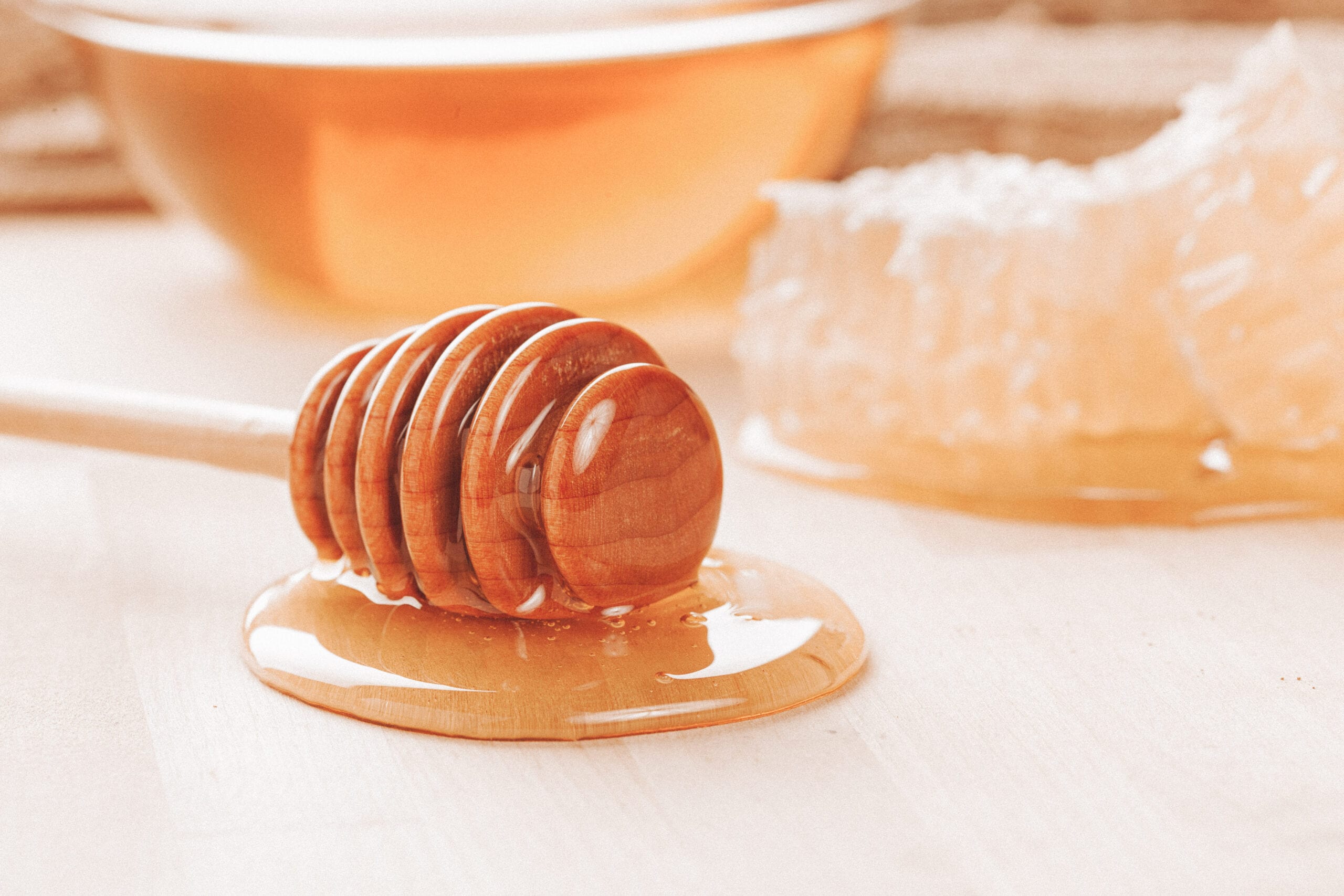
Raw honey comes from the hive with little processing. Depending on the producer, it may retain natural pollen, enzymes, and other plant compounds. Regular honey often undergoes heating and fine filtration to create a smooth, clear product with a consistent texture.
If you value regional flavour and minimal processing, raw honey may appeal to you. The benefits of raw honey include its natural taste and the plant compounds it can retain. However, neither type is automatically pure or better.
Compare Your Options Before You Buy
| Feature | Raw Honey | Regular Honey |
| Processing | Minimally processed; methods vary | Often heated and finely filtered |
| Flavour | Varies with floral source | Usually mild and consistent |
| Texture | May be cloudy or contain fine particles | Usually clear and smooth |
| Crystallisation | Common, depending on its composition | May crystallise more slowly |
| Price | Often costs more | Usually more affordable |
| Best use | Tastings, dressings, toast | Baking, drinks, everyday cooking |
| Storage | Keep sealed in a cool, dry place | Same storage needs |
Both types can sweeten food. Your choice should reflect your budget, taste, and preference for processing, not appearance alone.
Why Raw Honey Has a Distinct Taste
Honey reflects the flowers visited by bees. A regional honey from the Sierra Nevada foothills may taste different from honey made from clover or wildflowers elsewhere. Weather, season, and floral source all shape its colour, aroma, and flavour.
Producers who manage hives on pesticide-free lands along Sierra Nevada drainages can offer a clear sense of place. Look for details about hive locations, harvest seasons, and bottling methods. These facts help you understand where your honey comes from.
Does Crystallised Honey Mean Better Quality?
No. Crystallisation is a natural process in which glucose forms crystals. Honey with more glucose often crystallises faster, while higher fructose levels can keep it liquid longer. Temperature, moisture content, and storage conditions also affect this process.
Crystallised honey is not automatically purer, healthier, or more authentic. Both raw and regular honey can crystallise, and either can remain liquid for a long time. To soften crystals, place the sealed jar in warm water. Avoid overheating it.
How to Check Honey Authenticity
Honey adulteration occurs when honey is mixed with cheaper sweeteners or other substances. Colour, thickness, and home water tests cannot reliably prove purity. Even raw honey labels do not guarantee authenticity without trustworthy sourcing and production practices.
Before you buy bee honey, check the ingredient list, producer details, country or region of origin, and batch information. Ask whether the honey is tested for purity and moisture content. Clear answers and traceable sourcing offer stronger evidence than bold claims on a label.
Choose Honey That Fits Your Daily Needs
Raw honey may suit you if you enjoy varied floral flavours and prefer minimal processing. Unheated honey may retain more heat-sensitive compounds, but research does not prove that it offers every claimed health benefit. Both types mainly provide sugars and calories.
Honey can add quick energy to a snack or workout meal, but it is not a complete electrolyte drink. Its natural enzymes and polyphenols vary by source and handling. Never give honey to a child under 12 months because of infant botulism risk.
Your Honey Buying Checklist
Before you choose, ask these simple questions:
- Is the floral source or region clearly stated?
- Does the label explain whether the honey is raw, filtered, or heated?
- Is the ingredient list limited to honey?
- Can the producer explain its harvesting and food-grade processing methods?
- Are batch details and purity or moisture testing available?
- Does the flavour and texture suit your intended use and budget?
Make Your Final Choice With Confidence
Choose raw honey if you value regional character, minimal processing, and natural variation. Choose regular honey if you prefer a smooth texture, mild taste, and lower price. For either option, clear sourcing and honest labelling matter most.
If you want Sierra Nevada raw honey, look for producers who explain how they manage their hives, harvest their honey, and handle each batch. The benefits of raw honey begin with informed choices, realistic expectations, and a product whose story you can trust.